
Why Your DFW Lawn Struggles in Winter: The Soil Health Connection
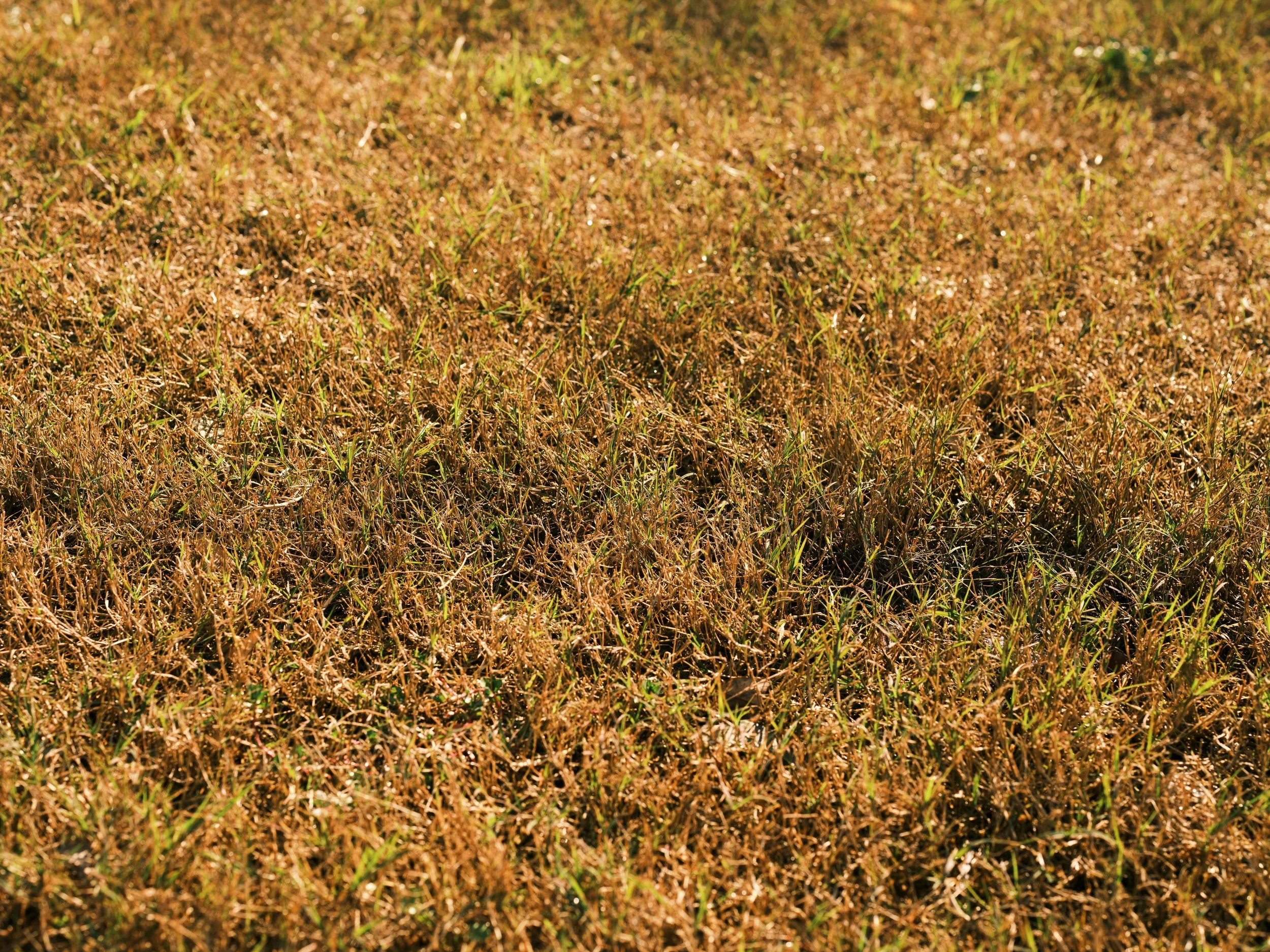
If you've noticed your Dallas lawn looking down this winter, you're not alone. Across North Texas, homeowners watch their once-vibrant grass turn brown, patchy, and lifeless during the colder months. But here's what is important to realize: winter is a very important season for your lawn.
At Golub Green, we've worked with thousands of lawns across Dallas, Plano, Frisco, McKinney, Richardson, and Allen, and we've discovered something crucial. The lawns that struggle most in winter aren't suffering from cold stress alone. They're fighting an invisible battle against compacted soil, depleted nutrients, and weakened root systems.
Let's explore why your DFW lawn struggles in winter, what's really happening in your soil, and how you can prepare now for a healthier spring.
Understanding Winter Dormancy vs. Winter Stress
First, let's clarify something important: a brown lawn in winter isn't necessarily a dead lawn. It's perfectly natural for warm-season grasses like Bermuda and St. Augustine to enter dormancy when soil temperatures drop below 55°F.
What Healthy Dormancy Looks Like:
Even brown color across the entire lawn
Grass that bends rather than breaks
No bare patches or thin spots
Quick green-up when spring arrives
Signs of Unhealthy Winter Stress:
Uneven browning with patches of dead grass
Brittle grass that snaps easily
Expanding bare areas where grass has died
Slow or incomplete spring recovery
If your lawn shows signs of unhealthy stress, the root cause often traces back to poor soil health—quite literally.
The North Texas Clay Soil Challenge
Here in the Dallas-Fort Worth metroplex, we're dealing with heavy clay soil that becomes increasingly compacted during winter. Here's why this happens and why it matters.
Why Clay Soil Worsens in Winter:
Freeze-thaw cycles cause soil to expand and contract, crushing natural air pockets and eliminating space for roots to breathe.
Winter rains saturate the clay, and foot traffic on wet soil compresses it further into a dense, oxygen-poor environment.
Reduced biological activity means fewer earthworms and microorganisms creating natural channels through the soil.
The result? By late winter, your soil has become a hostile environment where roots struggle to access oxygen, water, and nutrients.
How Compaction Affects Root Health:
When soil is compacted, roots can't penetrate deeply. They spread sideways near the surface instead of diving down where they'd find consistent moisture and stability. These shallow roots make your entire lawn vulnerable:
Less drought-resistant in summer
More susceptible to disease
Quicker to brown during temperature extremes
Slower to recover from damage
In North Texas, where we face scorching summers and unpredictable winters, deep roots are essential. But compacted winter soil actively prevents the root development your lawn desperately needs.
The Hidden Consequences of Poor Winter Soil Health
When soil health declines over winter, the effects ripple through your lawn's entire ecosystem.
Reduced Microbial Activity:
Your soil is a living ecosystem filled with billions of beneficial microorganisms that break down organic matter, create soil structure, protect roots from pathogens, and help roots access water and nutrients. Winter cold slows this activity dramatically, and compacted, waterlogged soil makes survival even harder for these beneficial organisms.
Nutrient Lockup:
Even if nutrients are present in your soil, compaction can prevent your grass from accessing them. When soil particles are pressed together tightly, nutrients become chemically bound in forms grass roots can't absorb. Your lawn might be sitting on top of nutrients it can't use.
Poor Drainage Creates Dead Zones:
Compacted clay doesn't drain well. Water pools or saturates upper soil layers, creating anaerobic conditions where beneficial organisms die and harmful pathogens thrive. These waterlogged areas often appear as dead patches come spring.
Why Chemical Approaches Fall Short
Synthetic fertilizers might green up your grass temporarily in spring, but they don't address soil structure. In fact, repeated chemical applications can harm soil biology, further reducing the natural processes that create healthy soil. You're creating a dependency cycle where your lawn needs more frequent applications because it can't access nutrients naturally.
Eco-Friendly Solutions for Spring Preparation
The good news? You can build genuinely healthy soil that supports your lawn year-round through organic amendments that work with nature.
1. Organic Compost: The Foundation
Nothing improves clay soil structure like organic compost. It creates air spaces between clay particles, feeds beneficial microorganisms, provides slow-release nutrients, and increases water-holding capacity. Late winter to early spring is the ideal time for compost application in North Texas.
2. Core Aeration: Opening Pathways
Core aeration physically removes small plugs of soil, immediately relieving compaction and allowing oxygen to reach root zones. When combined with compost topdressing, aeration creates a powerful synergy that positions organic matter directly in the root zone.
3. Organic Soil Conditioners
Humic acid helps clay particles aggregate with space between them, improving drainage and root penetration. Mycorrhizal fungi form relationships with grass roots, effectively extending the root system and dramatically improving water and nutrient uptake.
4. Build Organic Matter Over Time
Improving soil health is an ongoing process. Consistent additions of compost and organic fertilizers build organic matter levels year over year. As organic matter increases, your soil becomes more resilient to compaction, better able to retain moisture, richer in available nutrients, and more resistant to temperature extremes.
The Root System Advantage
Organically managed lawns help develop deep root systems. Deep roots leads to:
Longer-lasting green during drought
Faster recovery from winter dormancy
Natural disease and pest resistance
Less water and fertilizer needed
When spring arrives, lawns with healthy soil and strong root systems green up faster and more uniformly. This isn't magic, it's biology. Grass plants with extensive root systems and access to well-structured, nutrient-rich soil have the resources they need to respond quickly when growing conditions improve.
What to Do Right Now
Don't wait until spring to take action. Here's what you can do now:
Assess Your Soil:
Walk your lawn and note problem areas. Where does water pool? Where is grass slowest to green up? Consider a professional soil health analysis that evaluates structure, organic matter, microbial activity, and pH levels.
Avoid Winter Mistakes:
Don't walk on saturated soil after winter rains
Don't mow dormant grass unless necessary
Avoid applying products to frozen or waterlogged soil
Plan Spring Amendments:
Create a plan that includes core aeration, organic compost topdressing, organic fertilization, and addressing specific drainage or pH issues.
The Golub Green Difference
At Golub Green, we don't just treat grass, we heal soil. Our approach recognizes that lasting lawn health starts beneath the surface.
Our Soil Health Analysis Service Includes:
Soil structure evaluation to identify compaction
Organic matter assessment
Nutrient analysis (available and total levels)
pH testing for optimal nutrient availability
Customized recommendations for your lawn
Safe, Effective, Family-Friendly:
Everything we apply is safe for children and pets. Our organic approach means no synthetic chemicals, no persistent pesticides, no concerns about runoff, and no waiting periods before your family can enjoy the yard.
Winter Is Your Opportunity
Many homeowners see winter as downtime for lawn care. We see it differently, it's your opportunity to address fundamental soil health issues that chemical quick-fixes can't solve.
The lawns that emerge healthiest from winter aren't those that received emergency spring treatments. They're the ones whose soil was prepared properly, whose root systems developed deeply, and whose biological ecosystems remained healthy through the cold months.
By focusing on soil health now you're building lasting resilience for years to come.
Ready to Transform Your Lawn?
If you've watched your DFW lawn struggle through another winter and you're ready for a different approach, we're here to help. Our comprehensive soil health analysis will identify exactly why your lawn struggles and create a customized plan to build the deep-rooted, resilient grass you deserve.
No generic treatments. No harsh chemicals. No temporary fixes. Just scientifically-grounded organic care that works with your soil's natural processes.
Schedule your free soil health analysis today and discover the difference healthy soil makes for your Dallas, Plano, Frisco, McKinney, Richardson, or Allen lawn.
Your lawn's best spring starts with winter preparation. Let's get started.
