
How Do I Care For My Lawn This Winter
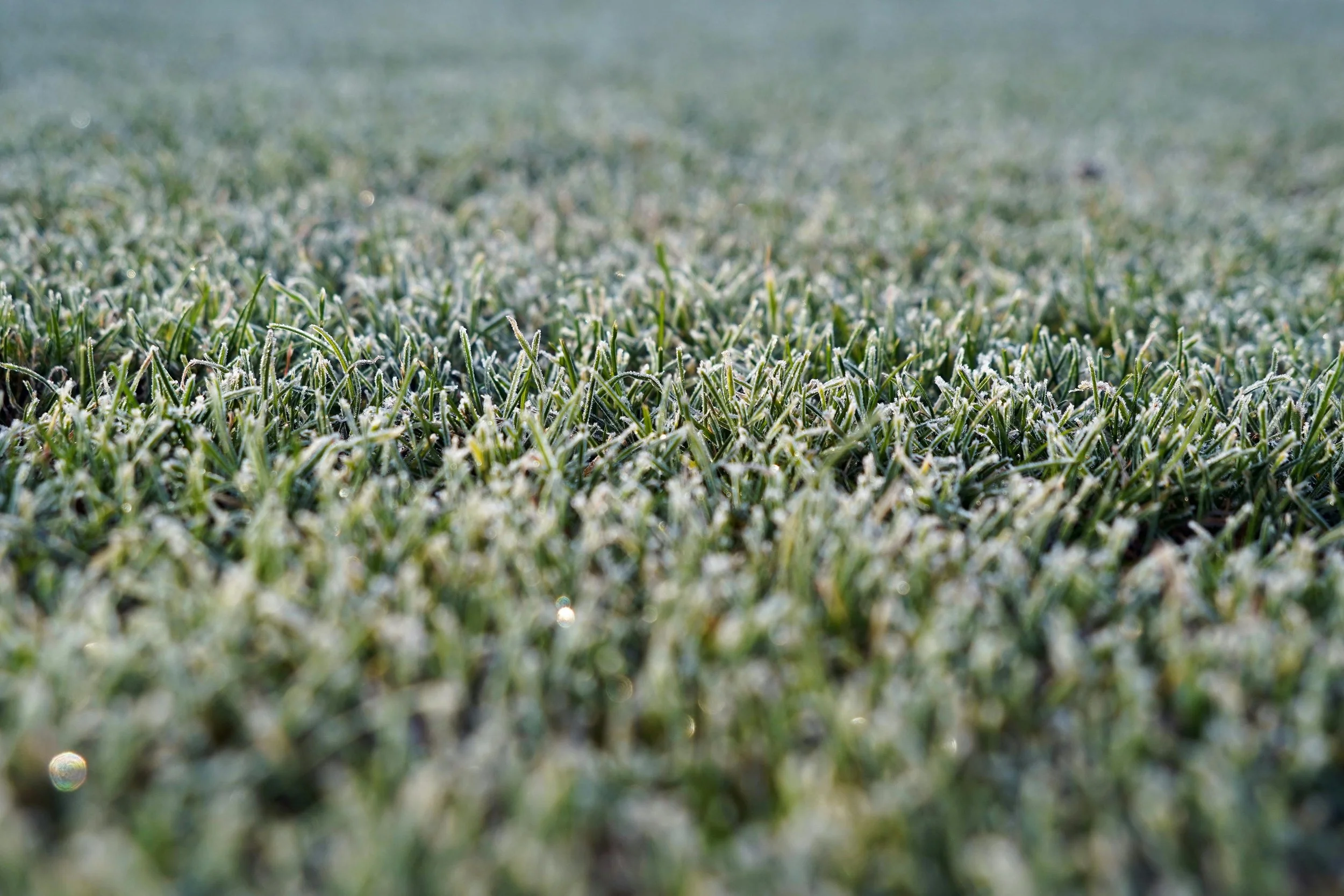
As North Texas homeowners, winter is a strategic reset that determines your entire year of lawn success. At Golub Green, we've spent years perfecting the art of winter lawn care across Dallas, Plano, Frisco, McKinney, Richardson, and Allen.
What we've discovered might surprise you: winter is actually the most critical season for building the foundation of a lawn that will make your neighbors green with envy (while yours stays naturally, healthily green).
Why Your North Texas Lawn Is Silently Begging for Winter Attention
North Texas winters present a unique challenge that many homeowners completely overlook. Unlike the northern states where lawns freeze solid and stay dormant for months, our Texas climate creates a winter roller coaster that can stress even the healthiest turf.
Consider this pattern: a warm January afternoon tricks your grass into breaking dormancy, followed by a sudden freeze that damages tender new growth. Meanwhile, your clay soil, becomes compacted from summer activity, limiting crucial root development when your grass needs it most. Add to this the nutrient depletion from a long growing season, and suddenly your lawn is heading into winter completely vulnerable.
Proper fall and winter care directly impacts spring performance. Lawns receiving appropriate winter preparation show faster green-up, fewer bare spots, better drought tolerance, and increased resistance to spring weeds and diseases.
The Winter Soil Transformation That Changes Everything
What is important in North Texas lawn care is understanding that winter is actually the perfect time for soil transformation. While grass growth slows, soil microorganisms remain active in our mild climate, steadily working to improve the foundation of your lawn.
Organic Compost: Your Clay Soil's Best Friend
North Texas clay soil presents unique challenges that eco-friendly winter care addresses beautifully. This dense clay resists water penetration, compacts easily, and forms hard crusts that make it difficult for new grass shoots to emerge in spring.
The solution lies in organic compost top-dressing applied during late October through November. Here's why winter timing is so beneficial: soil microorganisms remain active in our relatively mild climate, steadily breaking down organic matter and integrating nutrients into the soil throughout the winter months.
Building a Underground Army for Spring Success
The microorganisms in quality compost act like billions of tiny workers for your soil. These beneficial bacteria, fungi, and organisms multiply throughout winter, establishing substantial populations that support your lawn during the demanding growing season ahead.
Healthy soil biology offers advantages synthetic chemicals cannot replicate. These microorganisms break down organic matter into nutrients plants can absorb, produce natural compounds that suppress disease-causing organisms, enhance soil structure through their activities, and help grass roots access nutrients that would otherwise remain locked in the soil.
Winter provides the perfect environment for this biological foundation because there's less competition for resources, cooler temperatures promote beneficial organism growth, and these microorganisms have months to multiply and colonize before spring growth begins.
The Winter Feeding Strategy That Root Systems Love
While winter fertilization might seem counterintuitive since grass isn't actively growing, it represents one of the smartest investments you can make for long-term lawn health. The secret lies in selecting the right organic fertilizer and applying it at precisely the right time.
The Science of Winter Root Development
Here's what most homeowners don't realize: while grass blades stop growing when temperatures drop, root systems remain active well into winter. Research indicates that turfgrass roots continue developing until soil temperatures fall below 50°F, which often doesn't happen in North Texas until late December or January.
This extended root growth period presents a golden opportunity. Organic winter fertilization provides slow-release nutrients that nourish roots without promoting excessive top growth. This approach encourages deeper root development, improves drought tolerance for the following summer, and helps build plant reserves that support rapid spring green-up.
Why Organic Fertilizers Win in Winter
Synthetic fertilizers can actually harm your lawn during winter. Their quick-release nitrogen may stimulate tender top growth, making it more susceptible to freeze damage. They can disrupt natural dormancy cycles and leach through soil during winter rains, potentially contaminating groundwater.
Organic fertilizers work differently and are perfectly suited for winter application. They release nutrients slowly as soil microorganisms break down organic materials, aligning nutrient availability with the grass's actual uptake capabilities. This slow-release pattern continues nourishing roots throughout winter without forcing growth.
The timing matters too. For North Texas lawns, the optimal window for organic winter fertilization is late October through mid-November. This allows grass to absorb essential nutrients before soil temperatures drop significantly, supporting continued root growth during our mild early winter and preparing your lawn for vigorous spring green-up.
Strategic Mowing: The Winter Preparation Important For Homeowners To Get Right
How you manage your lawn's transition into winter dormancy significantly impacts its spring performance. Unfortunately, many North Texas homeowners make critical mistakes that weaken their grass at the time it needs strength most.
The Height That Protects and Promotes
The most common error? Cutting grass very short before winter, thinking it will be the last mow of the season. This practice actually weakens grass, making it more vulnerable to winter stress.
The better approach is gradually lowering mowing height as temperatures cool, but never cutting St. Augustine grass shorter than 2.5 to 3 inches, even in winter. This height provides sufficient leaf surface for photosynthesis during warmer winter days, insulates crowns and roots against temperature extremes, and prevents weed seed germination by maintaining dense turf coverage.
Research on turfgrass management consistently shows that maintaining appropriate mowing height improves winter hardiness. Grass with adequate leaf tissue produces more carbohydrates through photosynthesis, allowing it to store energy reserves in roots and crowns to survive winter and recover rapidly in spring.
The Final Mow Strategy That Makes a Difference
Your last mow should occur after grass stops actively growing but before the first hard freeze, typically late November or early December in North Texas. For this final mow, maintain your regular height rather than cutting shorter.
Here's a pro tip many homeowners miss: if warm spells trigger growth during winter, continue mowing as needed. North Texas lawns may require occasional mowing even in January or February during unusually warm periods!
Managing Fall Leaves the Eco-Friendly Way
Fall leaves present both challenges and opportunities for eco-friendly winter lawn care. While thick leaf mats can smother grass and promote disease, they contain valuable nutrients that benefit your soil.
The perfect solution? Mulch those leaves instead of removing them completely. Use your mower with the mulching blade engaged to shred leaves into small pieces. These shredded leaves filter down to soil, decompose over winter, and release nutrients back into soil while adding organic matter that improves soil structure.
If leaf accumulation is too heavy for mulching alone, collect some leaves for composting while mulching the remainder. This balanced approach prevents matting while capturing ecological and nutritional benefits that leaves provide.
Additional Winter Care Practices for Exceptional Results
Beyond the primary strategies, several supplementary practices can enhance your eco-friendly winter lawn care:
Smart Irrigation Management
Reduce watering frequency as temperatures drop and grass growth slows. Most North Texas lawns require little to no supplemental irrigation during winter, relying on natural rainfall. However, don't let lawns become completely dry during extended drought periods. Even dormant grass needs moisture to maintain healthy crowns and roots. Water deeply but infrequently, about once every three to four weeks during dry winter weather if rainfall is insufficient.
Traffic Management That Protects Your Investment
Minimize foot traffic on dormant grass. Compaction during winter, when soil is soft from rain, can cause long-lasting damage affecting spring performance. If certain areas experience regular traffic, create designated pathways. Avoid walking on frost-covered grass, as this can harm plant tissues.
Disease Prevention Through Smart Practices
Winter brings increased disease risk in cool, wet conditions common in North Texas. Eco-friendly disease prevention emphasizes cultural practices instead of fungicides. Avoid fertilizing with nitrogen after mid-November, as excess nitrogen can increase disease susceptibility. Improve drainage in areas where water pools, maintain appropriate mowing height for air circulation, and mulch or remove leaves to prevent moisture buildup.
What to Expect: The Winter-to-Spring Transformation
Understanding realistic expectations helps homeowners appreciate the benefits of eco-friendly winterization.
During Winter: Signs of Health
Eco-friendly winterized lawns show clear health signs. Grass gradually enters dormancy naturally, without chemical treatment shock. It's normal for dormant St. Augustine grass to fade to tan or brown. Soil remains loose and friable rather than compacted, and few disease symptoms appear due to balanced, healthy growth.
These visual characteristics indicate your lawn is resting properly and conserving energy for spring rather than struggling through winter in a weakened state.
Spring Green-Up: The Payoff Moment
The actual benefits become evident in spring! Lawns prepared with eco-friendly winterization show earlier green-up, often breaking dormancy one to two weeks before untreated lawns. The color is more uniform without the patchy look common in chemically treated lawns. Growth is vigorous but controlled, reflecting healthy roots and balanced nutrition. Fewer weeds emerge due to dense turf coverage and improved soil health.
Many homeowners report that after experiencing eco-friendly winterization, they finally understand what a truly healthy lawn looks like. The difference is dramatic!
Why North Texas Lawns Respond Exceptionally Well to Eco-Friendly Winter Care
The unique climate and soil conditions in North Texas make eco-friendly winterization particularly effective compared to chemical alternatives.
Clay Soil Transformation
North Texas clay soil responds exceptionally well to organic winterization. Compost and organic matter added through winter care gradually transform heavy clay into friable, healthy soil with improved structure and drainage. This transformation takes time, but each winter's organic amendments help move soil in the right direction.
After two to three years of consistent eco-friendly winterization, many homeowners notice their soil feels different, drains more effectively, and supports healthier grass with less effort.
Mild Winter Advantage
Our relatively mild winters enable soil microorganisms to remain active longer than in colder climates. This extended microbial activity means organic amendments continue breaking down and releasing nutrients throughout winter, providing ongoing benefits instead of lying dormant until spring.
This biological activity during winter is a significant advantage for North Texas lawns using eco-friendly methods!
Water Conservation Benefits
Organic winterization enhances soil water retention, particularly beneficial during our hot, dry summers. Lawns prepared with organic methods require less supplemental irrigation because improved soil structure and organic matter content hold moisture more effectively.
In a region where water conservation is essential both environmentally and economically, this benefit alone makes eco-friendly approaches worthwhile.
Why Choose Golub Green for Your Winter Lawn Care Transformation
When you choose Golub Green for winterization services, you're partnering with North Texas eco-friendly lawn care specialists who understand exactly what your lawn needs to thrive through winter and beyond.
Comprehensive Winter Programs Tailored to Your Lawn
Our eco-friendly winterization approach addresses your lawn's specific needs. We evaluate soil health, grass density, problem areas requiring extra attention, and your spring performance goals. Based on this assessment, we create customized winterization plans.
Local Expertise That Makes All the Difference
We work in Dallas, Plano, Frisco, McKinney, Richardson, Allen, and surrounding areas. We understand the specific local challenges your lawn faces. We know when to winterize based on local weather patterns, which organic products perform best in North Texas clay soil, and how to prepare St. Augustine grass specifically for our region's winter conditions.
Our local expertise makes tremendous difference in results.
Science-Based Organic Methods
Our winterization methods aren't based on trends or marketing claims. We apply proven soil science principles backed by university research, use only tested organic products with demonstrated results, and continuously monitor and adjust approaches based on real-world performance in North Texas conditions.
When we recommend a winterization practice, you can trust it's grounded in solid science and proven through years of successful application.
Contact Golub Green today to schedule your eco-friendly winterization service and let's prepare your lawn for a restful winter so it can emerge healthier and greener next spring!
Contact Golub Green at (972) 656-9325 or visit golubgreen.com to schedule your free consultation and give your North Texas lawn the winter foundation it deserves.
Service Areas: Dallas, Plano, Frisco, McKinney, Richardson, Allen, Carrollton, Coppell, Irving
