
How to Prevent Spring Weeds Before They Appear (The Natural Way)
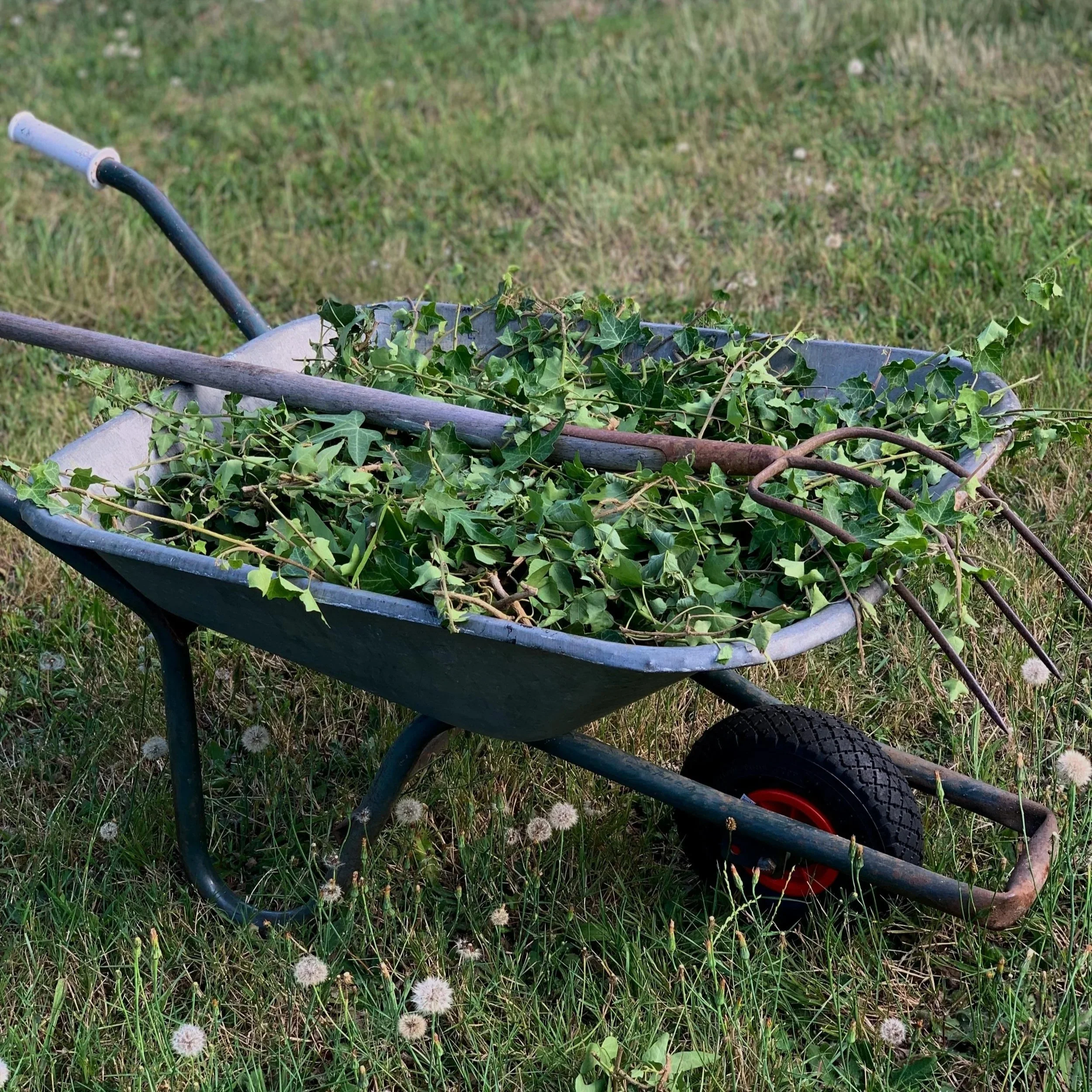
Spring in North Texas brings warming temperatures, budding trees, and unfortunately, the perfect conditions for weeds to take over your lawn. But here's the good news: you don't need harsh chemicals. With the right natural strategies applied at the right time, you can drastically reduce spring weeds before they ever see the light of day.
At Golub Green, we've spent years perfecting natural lawn care techniques that work with nature, not against it. Let's explore how you can prevent spring weeds naturally and enjoy a healthier, greener lawn all season long.
Understanding Spring Weeds: Know Your Enemy
Before we dive into prevention, it's important to understand what you're up against. Spring weeds fall into two main categories:
Annual Weeds like crabgrass, chickweed, and annual bluegrass germinate from seed each spring. These are your primary targets for pre-emergent prevention.
Perennial Weeds such as dandelions, clover, and plantain return year after year from established root systems. While they're harder to prevent, early-season attention can help keep them in check.
The key to natural weed prevention is creating conditions where grass thrives and weeds struggle. When your lawn is dense and healthy, there's simply no room for weeds to establish themselves.
Timing Is Everything: When to Start Prevention
The most critical factor in preventing spring weeds is timing. Ideally, you want to start your prevention efforts in late winter, typically late February through early March.
Why does this matter? Because this is when annual weed seeds begin to germinate. Once they've sprouted, prevention becomes much more difficult. Think of it like this: it's easier to lock the door than to remove an unwanted guest.
Natural Pre-Emergent Strategies
Corn Gluten Meal: Nature's Pre-Emergent
Corn gluten meal is a natural byproduct of corn processing that has proven pre-emergent properties. It works by inhibiting root formation in germinating seeds, effectively stopping weeds before they can establish themselves.
Here's how to use it effectively:
Apply in early spring when forsythia blooms (a natural indicator of weed germination time)
Use 20 pounds per 1,000 square feet for best results
Water lightly after application to activate
Reapply in early fall for cool-season weed control
Important note: Corn gluten meal prevents ALL seeds from germinating, so avoid using it if you're planning to overseed within the same season.
Build Dense Turf Through Proper Mowing
One of the most overlooked natural weed prevention strategies is simply mowing at the right height. Taller grass shades the soil, making it difficult for weed seeds to germinate and establish.
Follow these mowing best practices:
Set your mower to 3-4 inches throughout the growing season
Never remove more than one-third of the grass blade at once
Keep mower blades sharp for clean cuts that heal quickly
Leave grass clippings on the lawn to return nutrients to the soil
Dense, healthy grass is your lawn's best defense against weed invasion.
Soil Health: The Foundation of Weed Prevention
Healthy soil grows healthy grass, and healthy grass naturally crowds out weeds. This spring, focus on these soil-building strategies:
Soil Testing and pH Adjustment
Most lawn grasses prefer a pH between 6.0 and 7.0. When soil pH is outside this range, grass struggles while certain weeds thrive. Get your soil tested in early spring and amend accordingly with natural products like lime (to raise pH) or sulfur (to lower pH).
Aeration for Oxygen and Nutrient Flow
Compacted soil creates ideal conditions for shallow-rooted weeds while starving grass roots of oxygen and nutrients. Core aeration in early spring (or fall) allows water, air, and nutrients to reach grass roots, promoting deep, dense growth that naturally resists weeds.
Top-Dressing with Compost
A thin layer of high-quality compost (about ¼ inch) spread across your lawn in early spring does wonders for weed prevention. It:
Introduces beneficial microorganisms that support grass health
Improves soil structure and water retention
Provides slow-release nutrients that feed grass, not weeds
Helps level out minor lawn imperfections where weeds often establish
Natural Fertilization: Feed the Grass, Not the Weeds
Chemical fertilizers provide a quick nitrogen boost that often feeds weeds just as well as grass. Natural fertilization, on the other hand, builds soil health and releases nutrients slowly over time.
Early Spring Feeding
Apply a natural, organic fertilizer in early spring as grass begins actively growing. Look for products with:
Slow-release nitrogen from sources like feather meal or blood meal
Phosphorus and potassium for root development
Beneficial microbes to improve soil biology
The Holistic Approach
Rather than thinking of fertilization as a one-time event, view it as part of a holistic lawn care system. When combined with proper mowing, aeration, and overseeding, natural fertilization creates conditions where grass naturally outcompetes weeds.
Proper Watering: Deep and Infrequent
How you water can either prevent weeds or encourage them. Shallow, frequent watering promotes shallow grass roots and creates ideal conditions for shallow-rooted weeds like crabgrass.
Instead, water deeply and infrequently:
Provide 1-1.5 inches of water per week, including rainfall
Water early morning to reduce disease pressure
Encourage deep root growth by watering less frequently but more thoroughly
Allow soil to dry slightly between waterings
Deep-rooted grass is more drought-tolerant and creates a denser canopy that shades out potential weeds.
Mulching Garden Beds: Stop Border Invasion
Weeds don't respect property lines. Garden beds adjacent to your lawn can be sources of weed seeds that invade your turf. A 2-3 inch layer of natural mulch in garden beds:
Prevents weed seed germination
Retains soil moisture
Regulates soil temperature
Adds organic matter as it breaks down
Keep mulch a few inches away from plant stems and lawn edges to prevent moisture issues.
Creating an Integrated Prevention Plan
The most effective natural weed prevention isn't any single strategy—it's a comprehensive approach that addresses multiple factors. Here's your spring weed prevention timeline:
Late Winter (Late February - Early March):
Soil test and plan pH adjustments
Apply lime or sulfur if needed based on test results
Prepare equipment and order natural products
Early Spring (March - April):
Apply corn gluten meal when forsythia blooms
Begin mowing at proper height as grass greens up
Hand-weed any visible perennial weeds
Top-dress with compost
Apply natural organic fertilizer
Aerate if not done in fall
Mid-Spring (April - May):
Maintain proper mowing height and frequency
Begin deep, infrequent watering schedule
Continue hand-weeding as needed
Monitor for any weed breakthrough
Why Natural Prevention Works Better Long-Term
Natural weed prevention takes a different approach than chemical treatments. Rather than killing weeds after they appear, natural methods create an environment where weeds simply can't establish themselves in the first place.
The benefits extend far beyond just weed control:
Healthier soil biology that naturally suppresses disease and pests
Deeper grass roots that resist drought and stress
Safer environment for children, pets, and beneficial insects
Reduced environmental impact on local waterways
Long-term cost savings as soil health improves
When you invest in natural prevention, you're not just preventing this year's weeds—you're building a lawn that becomes naturally more resistant to weeds with each passing season.
Common Mistakes to Avoid
Even with the best intentions, these common mistakes can undermine your natural weed prevention efforts:
Applying corn gluten meal too late: Once weeds have germinated, it's ineffective. Timing is critical.
Mowing too short: Scalping your lawn weakens grass and creates perfect conditions for weeds to establish.
Over-fertilizing: More isn't better. Excessive nutrients can actually promote weed growth and create other lawn problems.
Inconsistent care: Natural lawn care requires consistency. Missing key timing windows or skipping steps reduces effectiveness.
Expecting overnight results: Natural methods work with nature's timeline, not against it. Give your strategies time to work.
The Golub Green Difference
At Golub Green, we've built our reputation on natural lawn care that actually works. We understand that Connecticut homeowners want beautiful lawns without compromising their family's health or the environment.
Our natural lawn care programs incorporate all of these prevention strategies and more, customized to your specific lawn's needs. We take the guesswork out of timing, product selection, and application rates, ensuring you get maximum weed prevention naturally.
Whether you choose to work with us or tackle weed prevention on your own, these natural strategies will help you achieve a healthier, more beautiful lawn this spring and beyond.
Recommended Next Steps
Preventing spring weeds naturally starts with taking action now, before those first weed seeds germinate. Here's what to do next:
Get a soil test to understand your lawn's current condition and nutrient needs
Mark your calendar for early spring applications based on Connecticut's climate
Gather your supplies including corn gluten meal, natural fertilizer, and quality compost
Set your mower to the proper height before the season begins
Create a schedule to ensure consistent care throughout the growing season
Remember, the most effective weed prevention happens before you see a single weed. By taking these natural steps now, you're investing in a healthier, more resilient lawn that will reward you with lush, green growth all season long.
Ready to experience the Golub Green difference? Contact us today to learn more about our natural lawn care programs designed specifically for Connecticut lawns. Let us help you achieve the weed-free lawn you've always wanted—naturally.
