
Is Your Dallas Lawn's Soil Too Compacted? 5 Signs To Look For
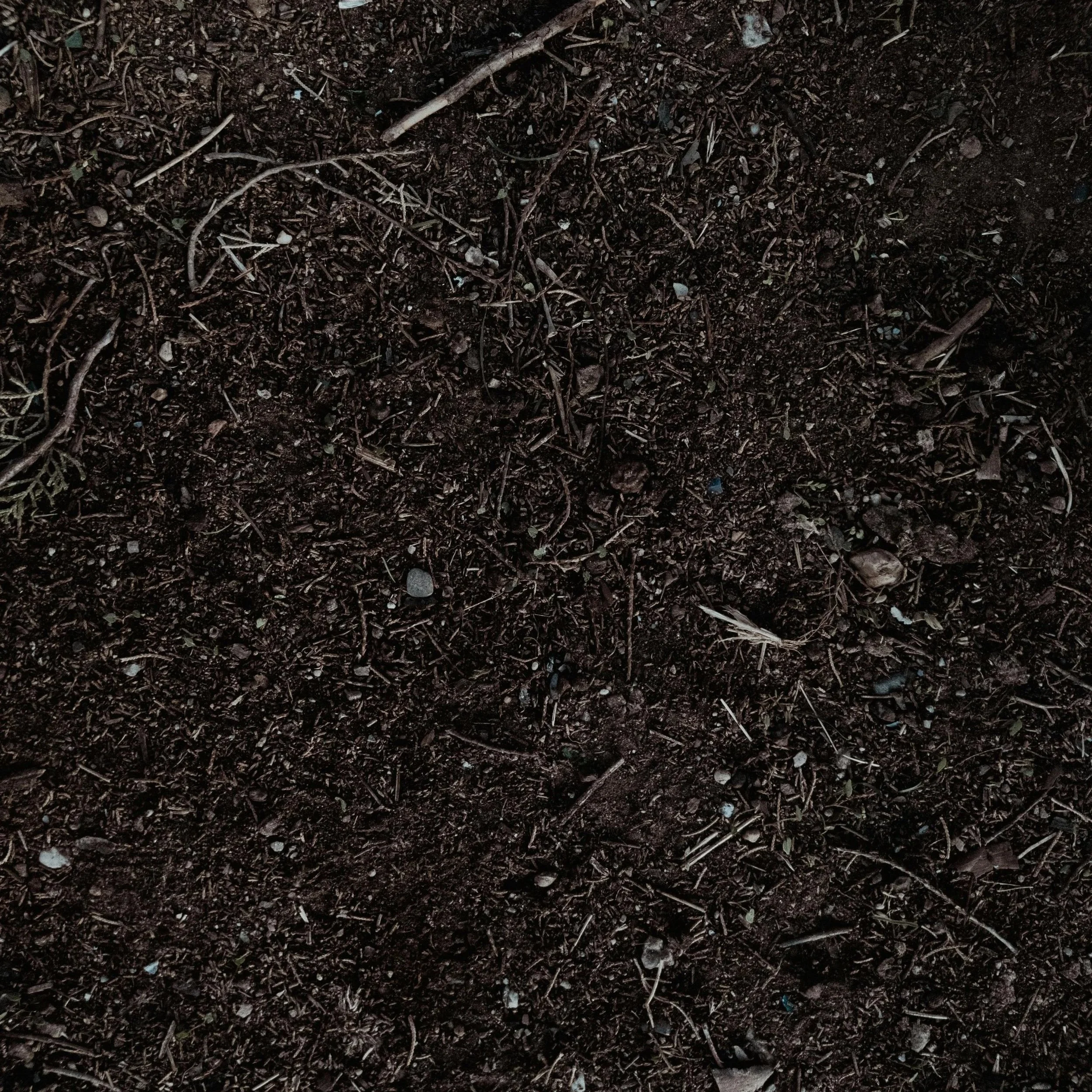
Soil compaction is a common issue Dallas lawns face, and can be the root cause of persistent lawn problems. When your soil becomes too dense, grass roots can't breathe, water can't penetrate, and nutrients can't reach where they're needed most.
The result? A lawn that struggles no matter how much you water, fertilize, or mow.
At Golub Green, we've helped several of Dallas-area homeowners diagnose and treat compacted soil using organic, sustainable methods that actually work. The good news is that once you know what to look for, you can take steps to restore your soil's health and give your lawn the foundation it needs to thrive.
Let's explore the five telltale signs of soil compaction and what you can do about them.
Why Soil Compaction Is So Common in Dallas
Dallas lawns face a unique challenge: our heavy clay soil. Unlike sandy or loamy soil, clay naturally packs together tightly, and over time, foot traffic, mowing equipment, and even heavy rainfall can compress it further.
When soil becomes compacted:
Air pockets disappear, suffocating grass roots
Water pools on the surface instead of soaking in
Nutrients can't move through the soil profile
Beneficial microbes struggle to survive
This creates a vicious cycle: weak grass leads to thin turf, which invites weeds, pests, and disease. But the first step to breaking that cycle is recognizing the signs.
Sign #1: Water Pools or Runs Off Instead of Soaking In
One of the clearest signs of compacted soil is poor water absorption. If you notice puddles forming on your lawn after watering or rainfall, or if water runs off into the street instead of soaking in, your soil is likely too dense.
Why It Happens:
Compacted soil has little to no pore space for water to travel through. Instead of penetrating down to the root zone, water sits on top or flows away, wasting this precious resource and leaving your grass thirsty.
Sign #2: Your Lawn Feels Hard or Spongy Underfoot
Take a walk across your lawn. Does it feel rock-hard, especially during dry spells? Or does it feel spongy and uneven, as if there's a thick layer of thatch sitting on top of dense soil?
Why It Happens:
Compacted soil loses its natural give. When combined with thatch buildup (a layer of dead grass and organic matter), you get a lawn that feels either brick-like or bouncy, neither of which is healthy.
Sign #3: Grass Struggles to Grow, Even with Proper Care
You water on schedule. You fertilize at the right times. You mow at the proper height. Yet your grass still looks thin, patchy, or weak.
Why It Happens:
Compacted soil restricts root growth. Grass roots need oxygen, water, and nutrients to expand and anchor themselves deeply. When the soil is too dense, roots stay shallow and weak, unable to access what they need to thrive.
Sign #4: Weeds Thrive While Grass Struggles
If your lawn is overrun with weeds like dandelions, clover, or crabgrass, despite your best efforts to control them, compacted soil may be the hidden culprit.
Why It Happens:
Many common weeds have deep taproots or aggressive spreading habits that allow them to thrive in compacted conditions where grass can't compete. Weak grass provides the perfect opportunity for weeds to take over.
Sign #5: Bare Patches or Thin Turf in High-Traffic Areas
Do you have worn-down paths where kids play, pets run, or you frequently walk? These high-traffic areas are especially prone to compaction.
Why It Happens:
Constant pressure from feet, paws, and equipment compresses soil particles together, eliminating air space and damaging grass roots. Over time, grass simply gives up trying to grow in these compacted zones.
How to Test for Soil Compaction at Home
Want to know for sure if your soil is compacted? Try this simple test:
The Screwdriver Test:
Take a long screwdriver or soil probe and push it into your lawn after a light watering. If it slides in easily to a depth of 6-8 inches, your soil is in good shape. If you can barely get it in a few inches, you've got compaction.
The Drainage Test:
Dig a small hole about 12 inches deep and fill it with water. If the water drains within 4 hours, your soil is healthy. If it takes longer or doesn't drain at all, compaction is likely blocking water movement.
The Golub Green Solution: Organic Soil Health
At Golub Green, we don't just treat symptoms, we restore soil health from the ground up. This isn't a quick fix, it's a long-term investment in your lawn's foundation. And it works.
Why Healthy Soil Matters
Your lawn is only as healthy as the soil beneath it. When soil is compacted, no amount of watering, fertilizing, or mowing can compensate for the lack of oxygen and nutrients reaching the roots.
But when you restore soil health through aeration, organic amendments, and sustainable practices, you create a lawn that:
Absorbs water efficiently, reducing runoff and waste
Grows deep, strong roots that resist drought and stress
Naturally fights off weeds, pests, and disease
Stays green and lush with less effort and fewer inputs
Best of all, you're protecting the environment, supporting local waterways, and creating a safe outdoor space for your family and pets.
Give Your Lawn the Foundation It Deserves
If you've recognized any of these five signs in your Dallas lawn, it's time to address soil compaction before it gets worse.
At Golub Green, we specialize in organic, eco-friendly solutions that restore soil health and help your lawn thrive naturally. From core aeration to custom fertilization plans, we'll give your grass the strong foundation it needs to look its best all year long.
Don't let compacted soil hold your lawn back.
Because great lawns don't start with chemicals. They start with great soil.
