
Why Your Lawn Has Bare Spots (And How to Fix Them Naturally)
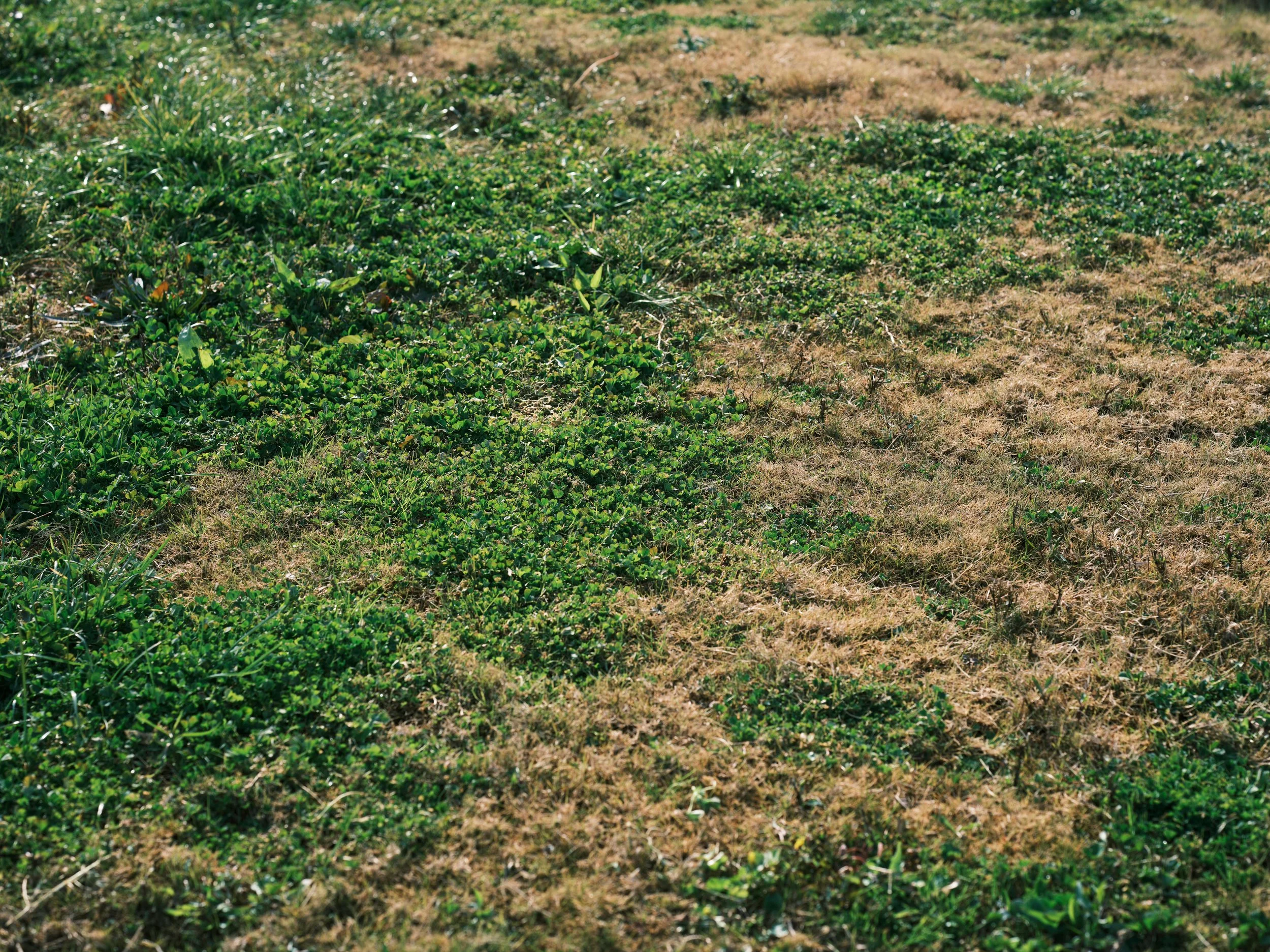
There's nothing quite as frustrating as a lawn with bare spots. You fertilize. You water. You try patching. And somehow, those stubborn brown patches keep coming back in the same spots, season after season. Here's what's really going on—and the natural, lasting way to fix it.
Bare spots are one of the most common lawn complaints we hear from homeowners across Dallas, Richardson, Plano, Frisco, McKinney, Allen, Carrollton, Coppell, and Irving. And the instinct most homeowners have—to throw seed at the problem—usually doesn't work. Not because seeding is wrong, but because it rarely addresses the underlying reason those patches went bare in the first place.
At Golub Green, we've found that bare spots almost always come back to one root cause: soil health. Let's dig into what's actually happening and how we approach natural, lasting repair.
Why Grass Stops Growing in Certain Spots
Bare patches don't happen randomly. They show up in specific locations for specific reasons. Understanding the cause is the first step toward a real fix. Here are the most common culprits we find in North Texas lawns:
1. Compacted Soil
North Texas clay soil compacts easily under foot traffic, lawn equipment, kids playing, or even just its own weight over time. When soil becomes too dense, grass roots can't penetrate it. Air and water can't move through it. The result: a patch where grass simply struggles to establish or hold on.
Compaction tends to be worst in high-traffic areas—near gates, along pathways, in play zones, and under the drip line of large trees. You'll often see the same bare spots reappear in these locations year after year.
2. Soil Nutrient Imbalances
North Texas clay soil often contains significant nutrients—but in forms that are locked up and unavailable to grass roots. When the soil's pH is off, or when biological activity is low (both common after years of synthetic treatments), grass starves even in nutrient-rich soil. This is one of the key insights we explore in The Hidden Reason Your Dallas Lawn Struggles.
3. Thatch Buildup
Thatch is the layer of dead and living organic matter that builds up between the grass and the soil surface. A thin layer is normal and healthy. But when thatch becomes thick, often a result of synthetic fertilizer overuse and depleted soil biology, it acts as a barrier that prevents water, air, and nutrients from reaching roots. Thick thatch creates the perfect setup for bare spots.
4. Fungal Disease
Several common lawn diseases create bare spots in North Texas lawns, particularly during wet springs and humid conditions. Brown patch, take-all root rot, and gray leaf spot all cause irregular dead zones that can look like bare patches. Grass treated with synthetic programs, which deplete the soil biology that naturally suppresses disease, is particularly vulnerable.
5. Pest Damage
Grubs, chinch bugs, and armyworms can all create dead patches in your lawn. Grub damage is particularly deceptive. It looks like drought stress until you tug on the brown grass and it lifts away like a loose carpet, revealing that the roots have been eaten away. Chinch bugs create irregular brown patches, especially in sun-exposed areas of St. Augustine lawns during hot, dry conditions.
6. Dog Spots and Chemical Burns
Dog urine creates concentrated patches of lawn burn from excess nitrogen. Similar damage can come from spilled fertilizer, herbicide drift, or gasoline and oil drips. These patches are typically circular, with a dead center and sometimes a ring of lush green at the edge from the diluted nitrogen effect.
7. Shade and Tree Root Competition
Areas under heavy tree canopy present a real challenge for warm-season grasses. St. Augustine is the most shade-tolerant of our common DFW grasses, but even it struggles in deep shade. Add in competition from surface tree roots for water and nutrients, and you have the recipe for persistent bare patches that no amount of reseeding will fix without also addressing the growing conditions.
Why Just Reseeding Doesn't Work
It's tempting to grab a bag of grass seed and fill in the bare spots. But if the underlying soil conditions haven't changed, the grass will struggle again in the same spot. This is actually one of the key points we make in our blog on overseeding—seeding over problem soil produces disappointing, temporary results.
Think of it like planting a garden in bad soil. The seeds might sprout, but without the right foundation beneath them, they'll never thrive. The fix has to start underground.
The Golub Green Natural Approach to Bare Spot Repair
Step 1: Diagnose the Cause
Before we recommend any treatment, we identify why the bare spot exists. The approach for compaction damage is different from the approach for fungal disease, which is different again from grub damage. Diagnosis first, treatment second.
Our comprehensive soil analysis is the cornerstone of this process. It tells us what's actually happening in your soil: pH, organic matter, nutrient availability, and biological activity. From there, we can trace bare spots to their source.
Step 2: Correct the Soil
This is the step that makes our approach different. Rather than just patching the grass, we treat the soil. Depending on what we find, this might include:
Organic soil amendments to restore biological activity and break up compaction
pH adjustment to unlock bound nutrients
Targeted organic inputs to address specific deficiencies identified in the soil analysis
Thatch-reducing biological applications that break down excess organic buildup naturally
Step 3: Support Natural Recovery
In many cases, once the soil conditions are corrected, existing grass fills in bare areas on its own. Warm-season grasses like St. Augustine spread through stolons (surface runners), and Bermuda spreads through both stolons and rhizomes. When the soil is healthy, these natural spreading mechanisms work remarkably well.
For larger bare areas or spots with significant soil damage, we work with you to establish new turf in a way that's set up to last—not just to survive temporarily.
Step 4: Adjust Cultural Practices
Bare spots often trace back to maintenance habits. We provide specific recommendations on mowing height, watering schedule, and traffic management based on your lawn's actual conditions. Small adjustments can make a big difference.
If watering is part of the issue, our full guide on how often to water your DFW lawn in spring covers the exact approach we recommend for North Texas lawns.
What About Prevention?
Once we've corrected the soil and recovered the bare areas, the goal shifts to keeping them from coming back. A biologically active, healthy lawn is naturally resistant to the conditions that create bare spots. Dense turf crowds out weeds. Deep-rooted grass handles heat and drought without thinning. Healthy soil biology suppresses disease organisms.
The lawn transformations we see all share this common foundation: a healthy, living soil ecosystem that supports strong grass from the ground up.
You Don't Have to Live With Bare Spots
Patchy grass isn't a life sentence. It's a sign that your lawn is telling you something needs to change, and most often, that change needs to happen in the soil beneath it.
At Golub Green, we specialize in finding those root causes and addressing them with eco-friendly, family-safe methods that build long-term health instead of short-term appearance. Families across Dallas and the surrounding North Texas communities have seen the difference, and we'd love to help you see it in your own yard.
Contact Golub Green today for a free consultation. Schedule Your Free Consultation
Call us at (972) 656-9325 or visit golubgreen.com. Serving Dallas, Richardson, Plano, Frisco, McKinney, Allen, Carrollton, Coppell, Irving, and surrounding North Texas communities.