
Spring Weeds in DFW: Identification Guide and Natural Solutions
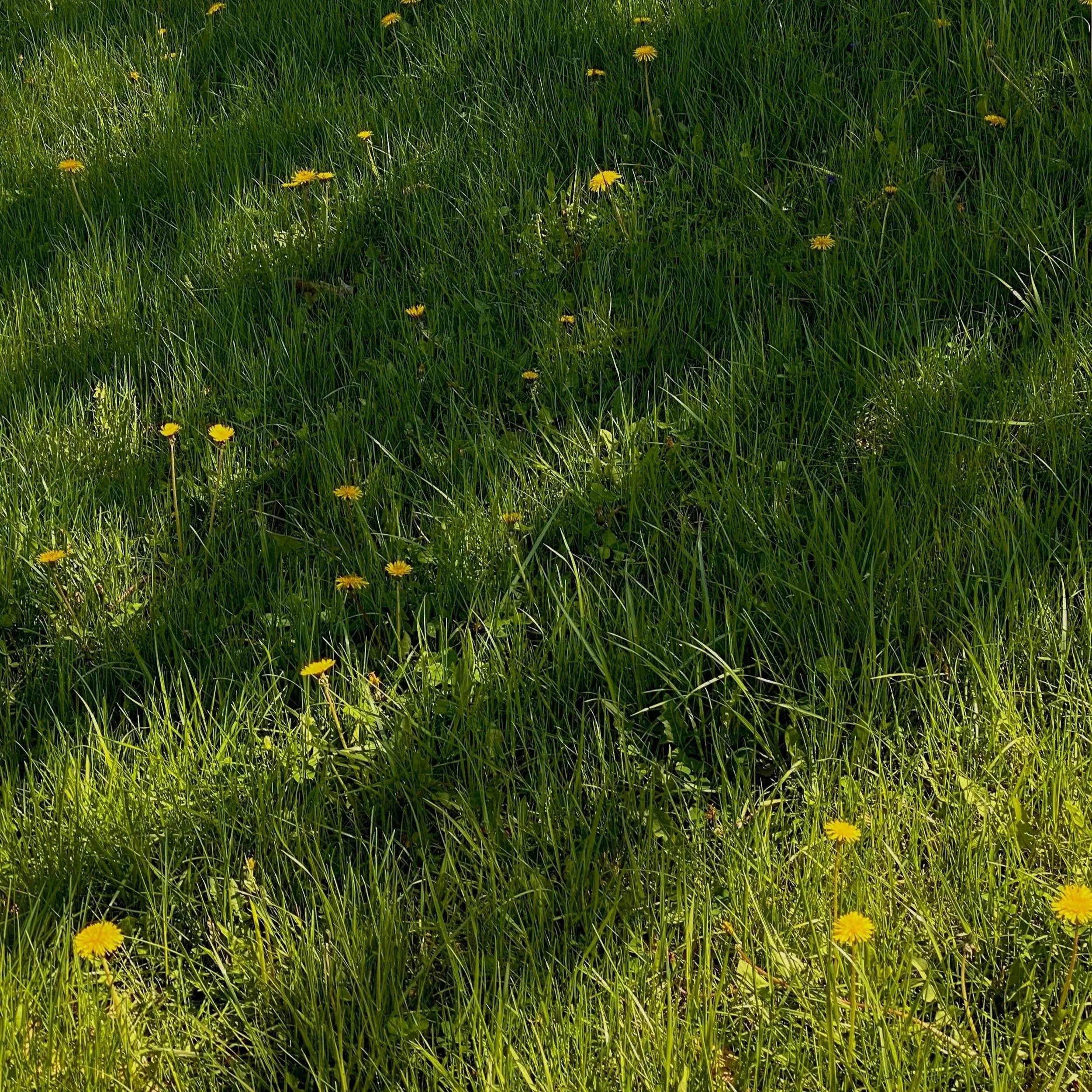
Spring is almost here and if you're a DFW homeowner, you know what that means. Along with warmer temperatures and longer days, something else is making its way back into your yard: spring weeds.
Every year, we hear from homeowners in Dallas, Plano, Richardson, Frisco, and beyond who are frustrated by the same weeds popping up in the same spots. And while it can feel like a never-ending battle, the truth is that weeds aren't random. They're signals. And once you understand what they're telling you about your soil, managing them becomes a whole lot more effective, and far less reliant on harsh chemicals.
In this guide, we'll walk you through the most common spring weeds in Texas, how to identify them, and most importantly, why a healthy, living soil is your single best defense against them coming back year after year.
Why Weeds Show Up Every Spring
Before we get into identification, it helps to understand why weeds appear in the first place.
Weed seeds are incredibly patient. Many have been sitting dormant in your soil for years, just waiting for the right conditions: open space in your turf, compacted soil that grass roots can't penetrate, or soil that's nutrient-imbalanced enough to favor opportunistic plants. When temperatures warm up in late February and March across the DFW area, those seeds seize their moment.
The most weed-prone lawns tend to share a few things in common:
Thin or patchy grass that leaves bare soil exposed to sunlight (exactly what weed seeds need to germinate)
Compacted clay soil — extremely common in North Texas that struggles to support healthy turf root systems
Low organic matter in the soil, which means fewer beneficial microbes and less natural competition for resources
The good news? A lawn with truly healthy soil naturally crowds out most weeds on its own. We've written about this connection in depth in our post on Soil Health 101: Why Your North Texas Lawn Depends on It. It's worth a read if you haven't already.
The Most Common Spring Weeds in DFW (And How to Identify Them)
1. Dandelion (Taraxacum officinale)
What it looks like: Dandelions are one of the most recognizable spring weeds in Texas. They form a low rosette of deeply toothed, lance-shaped leaves growing directly from a central taproot. In spring, they send up hollow stems topped with the familiar bright yellow flowers that eventually turn into white, puffy seed heads.
Why it's in your lawn: Dandelions thrive in compacted, low-fertility soil. These are two conditions that are all too common in Dallas-area clay soils. Their deep taproot (which can reach 10+ inches down) is actually an adaptation to break through hard, dense ground that grass roots can't easily penetrate.
What it's telling you: If dandelions are widespread across your lawn, your soil is likely compacted and low in organic matter. It's your lawn's way of waving a flag.
Natural solutions for dandelion control in Dallas:
Hand-pull after rain when the soil is soft, making sure to remove the entire taproot. Leaving even a small piece behind allows regrowth.
Improve soil structure through aeration and organic amendments. When your grass grows thick and deep-rooted, dandelions can't compete.
2. White Clover (Trifolium repens)
What it looks like: Clover is easy to spot by its distinctive three-part (trifoliate) leaves, often with a light chevron pattern. It spreads low and mat-like across the lawn and produces small, round white flowers that pollinators love.
Why it's in your lawn: Here's a fun fact about clover in DFW lawns: it actually fixes nitrogen from the atmosphere into the soil. It tends to appear most aggressively in lawns that are nitrogen-deficient. In other words, clover is literally trying to fertilize your lawn for free.
What it's telling you: Your soil may be low in nitrogen, or synthetic fertilizer applications have disrupted the natural nutrient cycle to the point where clover is stepping in to correct the imbalance.
Natural solutions:
Clover isn't always the enemy. Many homeowners and lawn care professionals are embracing it as part of a healthy, low-maintenance lawn ecosystem. It's drought-tolerant, low-growing, and actually feeds your soil.
If you'd prefer to reduce it, building soil nitrogen naturally through organic fertilizers and compost applications will make your grass outcompete the clover over time.
Mowing at a higher height (3–4 inches) shades out clover seedlings and prevents new establishment.
3. Henbit (Lamium amplexicaule)
What it looks like: Henbit is a winter annual that becomes very visible in DFW lawns in late winter and early spring before dying off as temperatures rise. It has rounded, scalloped leaves and produces small, tubular purple or pink flowers. The upper leaves clasp directly around the stem.
Why it's in your lawn: Henbit germinates in fall, overwinters as a small plant, then blooms and sets seed in spring. It thrives in thin turf and open, bare soil. If you saw a lot of henbit this spring, it's a sign your lawn had some thin or bare patches going into fall — the perfect entry point for winter annuals.
Natural solutions:
The window for pre-emergent treatment for henbit is actually fall, not spring. Applying al pre-emergent in September/October prevents germination before it starts. Check out our post on The Narrow Fall Window That Prevents Spring Weeds for more on timing this correctly.
In spring, hand-pulling before the plant sets seed stops the cycle for next year.
Filling in thin areas with healthy grass through proper fertilization removes the open real estate weeds need.
4. Rescuegrass (Bromus catharticus)
What it looks like: Rescuegrass is a grassy weed, meaning it looks like grass, which makes it one of the trickier spring weeds in Texas to identify. It grows in clumps with flat, somewhat hairy leaf blades and produces a distinctive open seed head (panicle) with drooping, flattened spikelets in spring. It tends to be a slightly lighter green than your lawn grass.
Why it's in your lawn: Like henbit, rescuegrass is a winter annual that germinates in fall. It establishes best in weakened turf, particularly lawns that went into fall without adequate nutrition or density.
Natural solutions:
Pre-emergent application in fall is the most effective control. By the time you see rescuegrass in spring, it has already set roots. Hand-removal is possible but labor-intensive.
Dense, well-fed turf going into fall is the real answer. A lawn that's been fed with slow-release organic fertilizers through fall has the density to crowd out winter annual grassy weeds.
5. Lawn Burweed (Soliva sessilis)
What it looks like: Small and easy to overlook until summer when you step on one barefoot and immediately regret it. Lawn burweed has finely divided, fern-like leaves and stays low to the ground. It produces tiny, spiny seed pods (the "burweed" part) in late spring that persist in the soil and can be painful for pets and kids.
Why it's in your lawn: Burweed thrives in thin, open turf, particularly in areas with heavy foot traffic and compacted soil. It's extremely common in DFW lawns with heavy clay and poor drainage.
Natural solutions:
Pre-emergent application in fall is, again, your best weapon. Burweed seeds germinate in fall, so treating in September or October prevents establishment.
For spring treatment, hand-pulling before the plant produces its spiny seed pods is critical. Once the seeds form, they'll persist in your soil for years.
Improving soil compaction through aeration dramatically reduces burweed pressure over time. We covered the signs of compacted soil in Is Your Dallas Lawn's Soil Too Compacted? 5 Signs To Look For.
The Big Picture: Why Healthy Soil Is Your Best Weed Control
Here's what we tell every homeowner we work with in the DFW area: weeds don't cause a weak lawn, a weak lawn invites weeds.
When your soil is biologically active, well-structured, and properly nourished, your grass grows thick and deep enough to naturally outcompete most weed pressure. Dense turf shades the soil surface, preventing weed seeds from getting the sunlight they need to germinate. Deep root systems occupy the soil space that weed roots need to establish. A healthy microbial ecosystem in the soil actually produces natural compounds that suppress germination of certain weed species.
This is fundamentally different from the approach of spraying herbicides every spring. Synthetic herbicides kill weeds, but they don't fix the underlying conditions that caused them. So the weeds come back. You spray again. The soil biology gets further disrupted. The turf gets weaker. The weed pressure increases. It's a cycle and it's expensive.
The natural approach takes a bit more patience in year one, but the results compound over time. Homeowners who invest in soil health through organic practices typically see dramatically reduced weed pressure within two to three seasons without the ongoing chemical cost.
You can learn more about why we take this approach and what the research says in our post on Why Choose Eco-Friendly Lawn Care in North Texas?
Practical Steps to Naturally Suppress Spring Weeds in DFW
Here's what you can do right now and what to plan for this fall to get ahead of weed pressure naturally:
This Spring:
Walk your lawn and hand-pull any established weeds before they set seed. Removing them now breaks the reproductive cycle.
Apply a layer of compost (about ¼ inch) to thin areas to feed soil biology and improve structure.
Mow at 3–4 inches. Taller grass shades out weed seedlings and reduces germination.
Water deeply and infrequently — 1 inch per week — rather than shallow daily watering. Deep watering encourages deep grass roots and discourages the shallow-rooted weeds that dominate in weakened turf.
Have your soil tested if you haven't recently. Knowing your soil's actual pH and nutrient profile tells you exactly what it needs — no guessing.
This Fall (the most important timing of all):
Apply a pre-emergent like in September or October before weed seeds germinate.
Feed your lawn with a slow-release organic fertilizer to help it enter fall dense and well-nourished.
Spring Weeds Are a Signal (Listen to Your Lawn)
If your lawn is full of dandelions this March, or clover is creeping into your beds, or burweed is making barefoot mornings miserable, your lawn is telling you something. And rather than fighting it with another round of chemicals that treat the symptom but not the cause, this is an opportunity to address what's really going on beneath the surface.
At Golub Green, we start every new client relationship with an in-depth soil assessment. Because you can't fix what you haven't measured — and the solutions that work for one lawn in Plano might be completely different from what's needed two streets over in Richardson. Every yard is different. Every soil is different. And that's exactly why a custom, soil-first approach gets real, lasting results.
Ready to stop fighting your weeds one season at a time? Get a free quote from Golub Green and let's build the kind of lawn that doesn't give weeds a place to live.
Related Reading:
Is Your Dallas Lawn's Soil Too Compacted? 5 Signs To Look For
How to Prevent Spring Weeds Before They Appear (The Natural Way)
Golub Green | Organic Lawn Care for Dallas, Richardson, Plano, Frisco & the DFW Area (972) 656-9325 | info@golubgreen.com