
How to Tell If Your Lawn Needs Fertilization
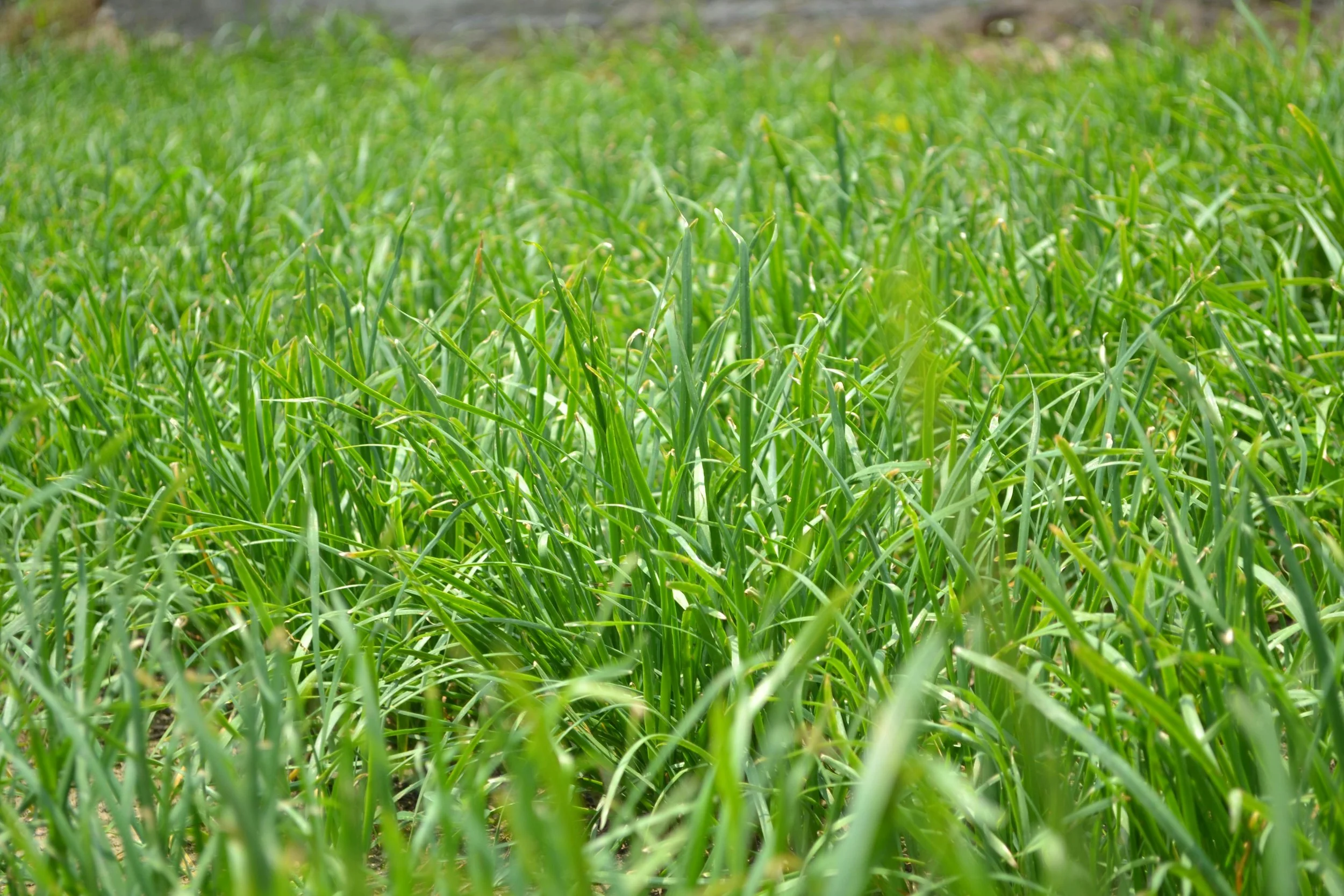
If your grass has been looking off, browning in patches, growing unevenly, or just refusing to bounce back no matter how much you water you may be wondering what's wrong. The answer might be simpler than you think: your lawn could be hungry.
Lawn nutrient deficiency is one of the most common and most misdiagnosed lawn problems in North Texas. And it makes sense, with our unique clay soils, intense summer heat, and unpredictable rainfall, Dallas-area lawns are constantly working hard. Without the right nutrients at the right time, even a well-watered lawn can start to look tired, patchy, or pale.
At Golub Green, we believe you shouldn't have to guess when it comes to your lawn's health. So let's walk through exactly what to look for, what it means, and how to fix it the right way.
Why Lawn Nutrient Deficiency Is So Common in North Texas
Before we get into the visual signs, it's worth understanding why this happens so often in our region.
North Texas soil, especially in Dallas, Plano, Richardson, and Allen, tends to be dense, alkaline clay. This type of soil can lock up essential nutrients like iron and magnesium, making them unavailable to grass roots even when they're technically present in the soil. Add summer heat stress, inconsistent watering, and years of synthetic fertilizer use that depletes soil biology, and it's easy to see why so many lawns end up nutrient-starved.
The good news? Once you know what you're looking for, the signs are hard to miss.
Visual Signs Your Lawn Has a Nutrient Deficiency
Your grass communicates its needs visually, you just have to know how to read it. Here are the most common signs to watch for.
1. Yellow Grass (Chlorosis)
Yellow grass in Dallas is probably the number one call we get from homeowners. If your lawn is turning pale yellow or lime green instead of a deep, rich green, you're likely looking at one of these deficiencies:
Nitrogen deficiency — The most common culprit. Nitrogen drives the green color in grass. When it's lacking, the lawn fades to yellow, often starting with older blades first and spreading across the entire lawn uniformly.
Iron deficiency — Especially common in North Texas due to our alkaline soil pH. Iron chlorosis shows up as yellowing between the leaf veins while the veins themselves stay green. This pattern (called interveinal chlorosis) is a telltale sign.
Sulfur deficiency — Similar to nitrogen deficiency but tends to start with newer growth rather than older leaves.
If you're seeing yellow grass in Dallas or the surrounding area and you've ruled out overwatering or drought stress, a nutrient issue is almost always to blame.
2. Thin or Sparse Growth
Is your lawn not filling in the way it should? Thin, sparse turf that leaves bare patches or gaps between blades often points to a phosphorus deficiency. Phosphorus is essential for root development. Without it, your grass can't establish the strong root system it needs to spread and thicken naturally.
This is especially worth watching for in newer lawns or in areas where soil has been disturbed by construction or renovation.
3. Purple or Reddish Tinting on Grass Blades
If you're noticing a purplish or reddish hue on the tips or undersides of grass blades, that's often a sign of phosphorus deficiency as well. While this can also be caused by cold temperatures in early spring, if you're seeing it in late spring or summer, your soil may not be supplying enough phosphorus to support healthy growth.
4. Brown Leaf Tips or Scorched Edges
Browning that starts at the tips of grass blades and works its way inward, without an obvious drought or heat stress cause, can signal a potassium deficiency. Potassium is your lawn's stress manager. It regulates water use inside the plant, strengthens cell walls, and helps grass resist disease, drought, and temperature extremes. A lawn low in potassium is far more vulnerable to the brutal Texas summer.
5. Slow or Stunted Growth
If your lawn is growing unusually slow, or barely growing at all, during a time when it should be actively greening up, the issue is often a combination of nitrogen and micronutrient deficiencies. The grass simply doesn't have the building blocks it needs to grow at a healthy rate.
6. Increased Weed Pressure
This one's an important one. A nutrient-deficient lawn is a weakened lawn, and weeds love to move into weakened turf. If you've noticed more weeds creeping in despite regular lawn maintenance, poor soil nutrition could be giving weeds the competitive advantage.
Don't Guess — Test Your Soil
Here's the truth: visual signs can tell you a lot, but they don't tell you everything. Two different deficiencies can produce similar symptoms, and sometimes what looks like a nutrient problem is actually a pH issue, a drainage problem, or a compaction issue.
That's why soil testing is one of the smartest things you can do for your North Texas lawn.
A soil test will tell you:
Your soil's current pH level (which directly affects nutrient availability)
Which nutrients are deficient, present in healthy amounts, or even excessive
What specific amendments or fertilizers your lawn actually needs
Whether your soil's structure or organic matter content needs improvement
In North Texas, our clay soil often has a higher pH (alkaline), which causes the soil to "lock up" iron and manganese. Without knowing your pH, you could apply fertilizer after fertilizer and still see no improvement.
At Golub Green, we use soil data to guide every recommendation we make. It is an essential step to how we take guesswork out of lawn fertilization.
When to Fertilize Your Lawn in Texas (Timing Matters)
Even the best fertilizer won't do much good if it's applied at the wrong time. Knowing when to fertilize your lawn in Texas is just as important as knowing what to apply.
Here's how we think about fertilization timing for North Texas lawns:
Early Spring (Late February to March): As your lawn comes out of dormancy, a light application of balanced, organic fertilizer helps it wake up and start growing without forcing weak, fast growth that's vulnerable to late cold snaps.
Late Spring (April to May): This is prime growing season. A well-timed application supports healthy turf and builds the strength your lawn will need heading into summer.
Early Summer (June): A light, slow-release feeding helps maintain color and root function without stressing already heat-challenged grass. Less is more in summer, because over-fertilizing during extreme heat can burn your lawn.
Early Fall (September to October): This is arguably the most important fertilization window of the year. A fall application that is focused on potassium and root-building nutrients helps your lawn store the energy it needs to survive winter and bounce back strong in spring.
Want a deeper look at fertilization timing? Read our blog: The Best Times to Fertilize Your Lawn in North Texas (Without Harming the Environment)
Why Organic Fertilization Is the Right Choice for North Texas
At Golub Green, we don't just fertilize lawns, we feed the entire soil ecosystem. And that distinction matters.
Synthetic fertilizers deliver a quick burst of nutrients, but they can also deplete the soil biology that your lawn depends on for long-term health. They're also more likely to run off during heavy rain, contributing to water pollution in the very creeks and reservoirs that supply North Texas communities.
Organic fertilizers work differently. They release nutrients slowly, feeding both the grass and the beneficial microorganisms that make nutrients available to roots over time. The result is a lawn that gets healthier season after season, not just greener for a few weeks.
Our organic approach also means:
No harsh chemical runoff into local waterways
Safer outdoor space for children, pets, and pollinators
Improved soil structure over time, which helps with drainage and drought resistance
Reduced weed and pest pressure as your lawn grows stronger naturally
To learn more about how eco-friendly fertilization protects your family and the environment, check out our blog: How to Maintain a Green Lawn Without Polluting Texas Waterways
What to Do If Your Lawn Shows Signs of Nutrient Deficiency
If you're seeing any of the visual warning signs we covered — yellow grass, thin turf, purplish blades, or slow growth — here's a simple path forward:
Step 1: Assess the pattern. Is the problem spread evenly across the whole lawn, or concentrated in certain areas? Uniform yellowing often signals nitrogen deficiency. Patterned yellowing (veins staying green) points to iron. Patchy thin areas suggest phosphorus or localized drainage issues.
Step 2: Test your soil. Don't apply fertilizer blindly. A soil test takes the guesswork out and ensures you're applying exactly what your lawn needs — nothing more, nothing less.
Step 3: Choose the right organic fertilizer. Based on your soil test results, select a balanced organic product that addresses your specific deficiencies. Slow-release formulas are almost always the better choice in North Texas's climate.
Step 4: Time it right. Apply during an active growing window (spring or early fall), when your grass can actually absorb and use the nutrients you're giving it.
Step 5: Follow up. Lawn health isn't a one-time fix. Consistent, properly timed fertilization builds on itself — and each season, your soil gets healthier and your lawn gets more resilient.
If your lawn has been struggling with thin or patchy growth alongside nutrient stress, you may also want to read: How to Fix Patchy Grass in Your North Texas Lawn
Golub Green Takes the Guesswork Out of Lawn Fertilization
You shouldn't have to stare at your lawn and wonder what's wrong. That's what we're here for.
At Golub Green, we've helped homeowners across Dallas, Plano, Richardson, Allen, Frisco, McKinney, Coppell, Irving, and Carrollton diagnose and correct lawn nutrient deficiencies using organic, eco-friendly fertilization programs that are custom-built for North Texas conditions. We look at your soil, your grass type, your seasonal history — and we build a plan that actually works long-term.
Whether your lawn is showing obvious signs of nutrient stress or you just want to stay ahead of problems before they start, our team is ready to help.
Ready to stop guessing and start growing?
Contact Golub Green today for a lawn assessment and custom organic fertilization plan. Your grass deserves better than guesswork — and so does your family.
Golub Green | The Lawn Specialists | (972) 656-9325 | info@golubgreen.com
Serving: Allen, TX | Carrollton, TX | Coppell, TX | Dallas, TX | Frisco, TX | Irving, TX | McKinney, TX | Plano, TX | Richardson, TX