
Pet-Safe Lawn Care: Keeping Your DFW Yard Healthy and Safe
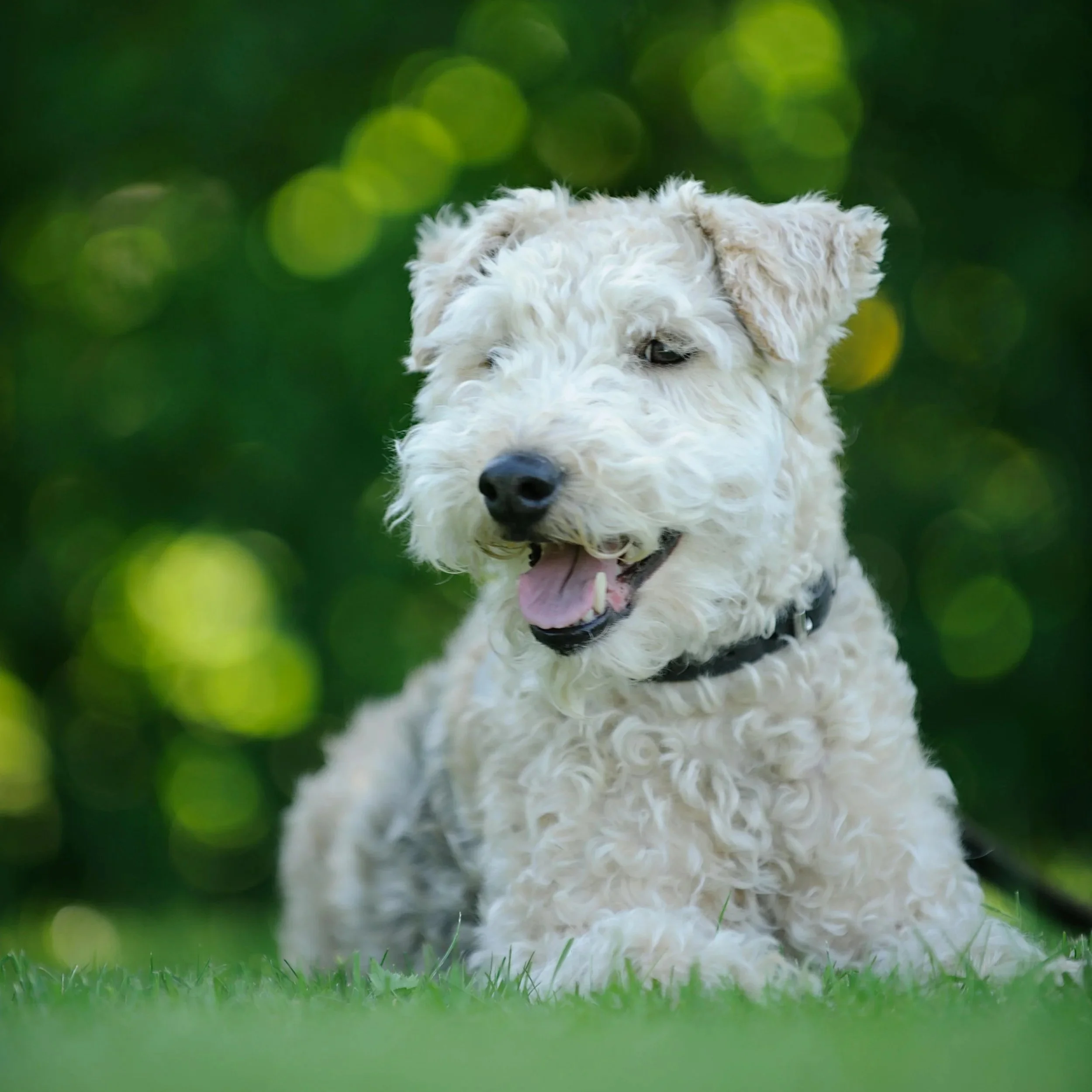
Your dog runs in it. Your kids play in it. Here's how to keep your North Texas lawn beautiful without putting the ones you love most at risk.
If you have a dog, you've probably watched them do a full-sprint lap around the yard the moment you open the back door. And if you have kids, they're out there too, barefoot, rolling around, pressing their faces into the grass.
Your yard isn't just a lawn. It's where your family actually lives.
That's why the products you put on it matter as much as the results they produce. Across Dallas, Richardson, Plano, Frisco, McKinney, Allen, Carrollton, and Irving, we work with families who are increasingly aware that the chemicals used by conventional lawn care companies don't just disappear after application. They linger in the grass. They track indoors on paws and bare feet. They absorb through skin. And for pets especially, who spend most of their outdoor time with their noses in the turf and their bodies close to the ground, the exposure is significant.
At Golub Green, pet and family safety isn't a feature we added as an afterthought, it's a core reason and value behind Scott and Ellyn Golub starting this business in the first place. Let's talk about what's really in conventional lawn treatments, what your pets are actually being exposed to, and what a genuinely safer approach looks like.
What Conventional Lawn Chemicals Actually Do to Pets
Most conventional lawn care programs rely on synthetic pesticides, herbicides, and fertilizers that are designed to kill weeds and insects quickly and keep grass looking green with minimal effort. They work. The problem is how they work, and what else they affect in the process.
Herbicides and weed killers are perhaps the most commonly used chemicals on North Texas lawns. Products containing 2,4-D, dicamba, and glyphosate are widespread. Studies have linked 2,4-D exposure in dogs to increased incidence of bladder cancer. Because dogs walk through treated areas and then lick their paws, their exposure is direct and repeated.
Synthetic pesticides target insects by disrupting their nervous systems. Many of these compounds (organophosphates and pyrethroids in particular) are also neurotoxic to mammals in sufficient doses. Pets that roll in treated grass, drink from puddles in treated areas, or groom themselves after outdoor time can ingest these chemicals.
Synthetic fertilizers containing quick-release nitrogen can cause gastrointestinal distress in dogs that eat treated grass, which many dogs do. Some formulations also contain pesticides blended directly into the fertilizer ("weed and feed" products), compounding the exposure.
What makes pets especially vulnerable:
They're lower to the ground and more physically connected to the lawn surface
They groom themselves with their tongues, ingesting whatever is on their coat or paws
They can't tell you when something is wrong
Their body weight means even small exposures are proportionally larger doses
This isn't about fear-mongering. It's about knowing what you're working with and knowing there are better options.
What "Pet-Safe" Actually Means (and Doesn't)
Before we go further, let's be honest about a term that gets thrown around loosely in the lawn care industry: pet-safe.
Some companies use this term to mean "safe after it dries." But many synthetic chemicals remain active on grass long after they're dry to the touch. The chemicals don't evaporate—they persist in the plant tissue and soil, sometimes for weeks.
True pet-safe lawn care means using products that are genuinely non-toxic to animals, not just products that require a short re-entry period. It means avoiding compounds that are known or suspected carcinogens or neurotoxins. It means thinking about your pet's ongoing cumulative exposure, not just a single application.
At Golub Green, when we say our treatments are safe for your family and pets, we mean it in the full sense: the products we use are non-toxic by design, not just non-toxic-after-drying.
How Organic Lawn Care Protects Your Pets
Our approach to lawn care is built on a simple premise: a healthy lawn shouldn't require products that pose risks to the living things that use it.
Here's what that looks like in practice:
Organic Fertilizers: We use slow-release organic fertilizers derived from natural materials. These products feed soil microorganisms, which in turn feed your grass steadily over time. They contain no synthetic chemicals, no artificial dyes, and no quick-release nitrogen salts that can irritate a dog's digestive system. Your pet can be back on the lawn immediately after application.
Targeted Weed Control: Our primary weed strategy is building a lawn so dense and healthy that weeds have nowhere to establish. When spot treatment is needed, we use mostly organic options that address the specific weed without broadcasting synthetic herbicides across the entire lawn. This dramatically reduces your pet's exposure compared to full-lawn chemical weed treatments.
Organic Pest Management: For pests like chinch bugs, grubs, and fire ants, we use organic or eco-friendly treatments that are highly effective without the neurotoxic risk profile of conventional pesticides. For example, Bacillus thuringiensis (Bt) a naturally occurring soil bacterium provides effective control of certain caterpillars like armyworms while being completely safe for pets, beneficial insects, and people.
Soil Health First: Healthy soil grows grass that's naturally more resistant to pests and disease. This means we need fewer treatments overall, which means less exposure for everyone in your family, including the four-legged members.
Practical Tips for Keeping Pets Safe on Your Lawn
Beyond choosing the right lawn care company, there are habits that make a real difference for pet safety:
Know what was applied and when. Whether you're doing your own lawn care or using a service, always know what products were used and what the safe re-entry period is. Keep your pet indoors until that window has passed. With our organic program, that window is immediate, but it's still good practice to know.
Watch where your dog drinks. Puddles, birdbaths, and drainage areas can collect chemical residue after rain events. Keep an eye on where your dog is sourcing water during outdoor time.
Wipe paws after outdoor time. This is especially useful during transition periods, if you've recently moved into a home with an unknown lawn care history, or if your dog frequents areas beyond your yard (parks, neighbors' yards). A quick paw wipe before they come inside reduces what gets tracked indoors and what gets licked off.
Be thoughtful about the whole neighborhood. Even if your lawn is organic, your dog walks past conventional lawns on every walk. After walks, a paw wipe matters even more.
Watch for signs of lawn chemical exposure: Excessive drooling, pawing at the mouth, vomiting, diarrhea, lethargy, or skin irritation after time outdoors are worth a call to your vet. Most cases resolve quickly, but repeated low-level exposure is worth taking seriously.
Check your mulch. Cocoa mulch, sometimes used in landscaping beds, is toxic to dogs. If you have dogs, use cedar or pine bark mulch instead.
What to Ask Your Current Lawn Care Provider
If you're currently using a conventional lawn care service and you have pets, these questions are worth asking:
What specific products do you apply, and what are their active ingredients?
What is the re-entry interval after application?
Do your products contain 2,4-D, dicamba, glyphosate, or organophosphate pesticides?
Do you offer an organic or reduced-chemical alternative program?
If your current provider can't answer these questions clearly, or if the answers give you pause, that's useful information.
A Lawn Your Whole Family Can Enjoy (Without Worry)
One of the things we hear most often from new Golub Green clients is how much they love being able to let their dogs out without thinking twice. No worrying about whether the lawn was treated recently. No keeping kids off the grass for 48 hours. No wondering what's being absorbed through paws and bare feet.
That peace of mind is worth a lot. But the great news is you don't have to give up a beautiful lawn to get it. Our clients across Dallas, Plano, Richardson, Frisco, and the surrounding DFW area consistently report that their lawns look as good or better than their neighbors' chemically treated yards, and they get to enjoy it freely.
The soil-health approach we take also pays long-term dividends that synthetic programs can't match. Read more about why soil biology is the real secret to a beautiful North Texas lawn here, it's the foundation of everything we do.
A healthy lawn and a safe family yard aren't competing goals. At Golub Green, they're the same goal.
Ready to make the switch to pet-safe lawn care?
Contact Golub Green today for a free consultation. We'll build a customized organic plan that keeps your lawn beautiful and your pets safe, without compromise.
Call us at (972) 656-9325 or visit our website to get started.
About Golub Green Golub Green is a family-owned, eco-friendly lawn care company serving Dallas, Richardson, Plano, Frisco, McKinney, Allen, Carrollton, Coppell, Irving, and surrounding North Texas communities. Founded by Scott and Ellyn Golub, we specialize in organic lawn care solutions that build soil health, create beautiful lawns, and keep families safe.
Service Areas: Allen, TX | Carrollton, TX | Coppell, TX | Dallas, TX | Frisco, TX | Irving, TX | McKinney, TX | Plano, TX | Richardson, TX