
Is Your Irrigation System Helping or Hurting Your Lawn?
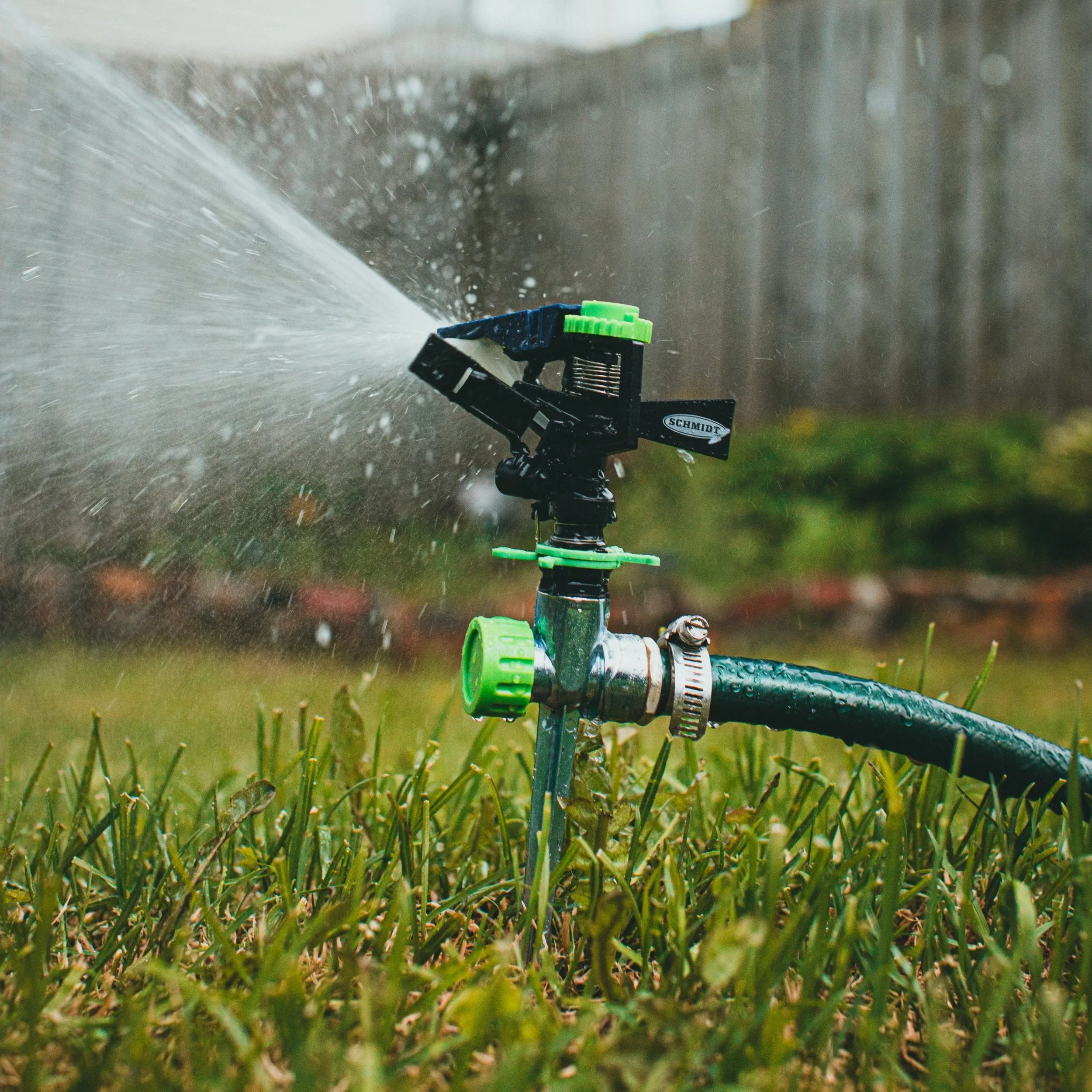
North Texas homeowners are often surprised to learn that the way they water is doing more damage than the drought itself.
There's a question we ask new clients that catches a lot of people off guard: "What does your watering schedule look like?"
Most of the time, the answer goes something like: "I run the sprinklers every day, usually 10 to 15 minutes per zone." And when we hear that, we know we've likely found a major contributor to whatever problem brought them to us, whether it's brown patches, shallow roots, disease, or chronic weed pressure.
The counterintuitive truth about irrigation in North Texas is that the way most homeowners water is actively hurting their lawns. Not because they're neglecting things, but because they're doing it too much, at the wrong depth, and/or often at the wrong time.
Your irrigation system can be one of your lawn's greatest assets or one of its biggest liabilities. The difference is almost entirely in how you use it.
The Watering Mistake Almost Everyone in DFW Makes
Let's start with the most common problem: frequent, shallow watering.
Here's the logic behind it, you can see the surface of your lawn, and when it looks dry or starts to show stress, you water it. This feels responsible and attentive. But what you're really doing is training your grass to be permanently dependent on you.
When water is applied in short, frequent intervals, it only penetrates the top inch or two of soil. Grass roots naturally grow toward moisture. If moisture is always at the surface, that's where the roots stay, shallow, weak, and completely at the mercy of surface conditions.
On a 105°F July day in Dallas, the top inch of soil can go bone dry in hours. A lawn with shallow roots has nowhere to go. Within days, it's browning, stressed, and demanding water again. You run the sprinklers. It greens up briefly. Then the cycle repeats.
Meanwhile, your water bill climbs. Your grass never develops the drought reserve it needs. And you've created a lawn that literally cannot survive without daily intervention.
Deep watering changes this entirely.
The Right Way to Water in North Texas
The principle is simple: water deeply and infrequently. Here's what that means in practice:
Apply 1 to 1.5 inches of water per session. This depth penetrates 6 to 8 inches into clay soil, reaching the root zone and encouraging roots to follow the moisture downward. As roots grow deeper, they access water from a much larger soil volume and stay cooler during heat stress.
Water 1 to 2 times per week during the growing season. Most healthy North Texas lawns in summer need no more than twice-weekly watering with deep application. This schedule allows the upper soil to partially dry between sessions, which forces roots to grow down rather than staying shallow.
Let soil conditions guide you, not the calendar. The goal isn't to hit a particular schedule, it's to water when the lawn needs it. Stick a screwdriver 6 inches into the soil. If it goes in easily and comes out with some moisture, you don't need to water yet. If the soil is hard and dry past 2 to 3 inches, it's time.
Water before 10 AM. Early morning is ideal for two reasons. First, lower temperatures and less wind mean significantly less evaporation loss, more of the water you apply actually reaches the root zone. Second, grass blades dry during the day, reducing fungal disease risk. Evening watering leaves grass wet overnight, which is prime time for fungal issues like brown patch to develop.
Golub Tip: The "tuna can test" is an easy way to measure how much water your irrigation system is applying per zone. Place empty tuna cans across each zone and run the zone until you've captured 1 inch of water. Time how long that takes, that's your per-session run time for that zone.
How to Know If Your System Is Working Properly
Before we talk about what a good irrigation schedule looks like, your system needs to actually be functioning correctly. Surprisingly often, homeowners are watering on a programmed schedule while their system has underlying problems that make the whole effort inefficient, or harmful.
Walk your yard while each zone runs and check for:
Broken or clogged heads. A broken head sprays at reduced pressure and uneven angles, leaving dry spots. A clogged head may barely spray at all. If you see dry patches in an otherwise watered area, this is the first thing to check.
Misaligned or tilted heads. Irrigation heads shift over time from foot traffic, mowing, and soil movement. A head that's spraying the sidewalk or fence instead of your lawn is wasting water and leaving your grass dry.
Coverage gaps and overlaps. Properly designed irrigation zones overlap slightly so every inch of lawn gets even coverage. Gaps create chronically dry areas; significant overlaps can lead to waterlogging and disease.
Runoff during watering. If water is running off the lawn rather than soaking in, you're either applying too much too fast, or your soil is compacted and can't absorb water at the sprinkler's output rate. Compacted clay soil is a major culprit for this in DFW. Read more about solving North Texas clay soil problems here.
Pressure issues. Low pressure means inadequate throw distance; high pressure creates a fine mist that evaporates before reaching the soil. Many DFW neighborhoods have variable municipal water pressure, your system may need a pressure regulator to perform correctly.
The Problem with Set-It-and-Forget-It Irrigation Controllers
The most common irrigation mistake isn't the schedule, it's never changing it.
Many homeowners set their irrigation controllers once, usually in spring, and leave them alone all year. This means the same watering schedule runs whether it's 95°F and bone dry, or 65°F and rainy. The result is either chronic underwatering during heat waves or chronic overwatering during cooler, wetter periods.
Overwatering is actually one of the more damaging things you can do to a North Texas lawn. It creates conditions that favor:
Fungal diseases like brown patch and gray leaf spot, which thrive in wet, warm conditions
Shallow root growth as grass roots have no incentive to grow deep when the surface is always moist
Pest problems, as many lawn insects prefer moist soil conditions for egg-laying
Soil compaction, as saturated clay soil compacts more easily under foot traffic and mowing
Signs you may be overwatering: soft, spongy turf, mushroom growth in the lawn, circular brown or tan patches (often a fungal disease), and a lawn that's always wet hours after watering.
A smart irrigation controller is one of the best investments a North Texas homeowner can make. Soil-moisture sensor systems or weather-based "smart" controllers automatically adjust run times based on local weather and soil conditions. They skip watering cycles after rain, reduce run times during cooler periods, and increase them during heat spikes. Studies consistently show they reduce water use by 20 to 40% while improving lawn health.
How Soil Health and Irrigation Work Together
Here's something important that most irrigation guides don't mention: the condition of your soil determines how effective your irrigation is.
Clay soil in poor health, compacted, low in organic matter, biologically depleted, repels water rather than absorbing it. You can run your sprinklers all day and most of the water will run off or sit on the surface before evaporating. The grass roots never see it.
As soil health improves through organic matter addition and biological activity, water infiltration and retention change dramatically. Biologically active soil with higher organic matter content:
Absorbs water more quickly, reducing runoff
Retains moisture longer between watering cycles, reducing how often you need to water
Distributes water more evenly through the root zone
Many of our long-term organic lawn care clients find that they reduce their irrigation frequency by 30 to 50% as their soil health improves, not because they're watering less out of necessity, but because their soil is actually holding the water and their roots are deep enough to access it.
This is one of many reasons that building soil health pays dividends far beyond what you'd expect. Read our full article on the surprising role soil health plays in North Texas lawn success here.
A Seasonal Irrigation Guide for North Texas
Adjust your irrigation program as conditions change throughout the year:
Spring (March–May): Transition from winter's reduced schedule as temperatures rise. Begin deeper, less-frequent watering to encourage root development before summer heat. Watch rainfall closely and skip cycles after significant rain.
Early Summer (June): Increase frequency if needed as temperatures climb, but maintain deep application. This is when most homeowners ramp up watering—prioritize depth over frequency.
Peak Summer (July–August): Most demanding period. Water deeply 2 times per week for established healthy lawns in most DFW areas. Adjust if heat is exceptional. Water before 10 AM to minimize evaporation.
Fall (September–November): Begin pulling back as temperatures moderate. Grass still needs moisture to recover from summer, but significantly less than July required. Rain becomes more reliable; use soil moisture as your guide.
Winter (December–February): Dormant warm-season grasses need very little irrigation. Water only during dry stretches (2+ weeks without rain) to prevent complete desiccation of roots. Once or twice monthly is typically sufficient.
Your Irrigation System Should Work For You
A well-maintained, properly calibrated irrigation system that's used with the right strategy is one of the most powerful tools for a beautiful North Texas lawn. Used wrong, it's one of the most reliable ways to create the exact problems you're trying to avoid.
The good news: the adjustments that make the biggest difference aren't complicated. Watering deeper and less often, timing it right, and keeping your system maintained are changes most homeowners can make quickly, with immediate results.
Combined with a healthy soil foundation and organic lawn care, smart irrigation creates the conditions for the kind of lawn that stays green through a Texas summer without requiring constant intervention.
If you're not sure whether your irrigation habits are helping or hurting, or if you'd like us to evaluate your lawn's overall health and create a complete care plan, we'd love to help.
At Golub Green, we work with homeowners across Dallas, Richardson, Plano, Frisco, McKinney, Allen, Carrollton, Coppell, and Irving to build lawns that thrive on the right inputs, not excessive ones.
Let's build a smarter lawn care plan together.
Contact Golub Green today for a free consultation.
Call us at (972) 656-9325 or visit our website to get started.
About Golub Green Golub Green is a family-owned, eco-friendly lawn care company serving Dallas, Richardson, Plano, Frisco, McKinney, Allen, Carrollton, Coppell, Irving, and surrounding North Texas communities. Founded by Scott and Ellyn Golub, we specialize in organic lawn care solutions that build soil health, create beautiful lawns, and keep families safe.
Service Areas: Allen, TX | Carrollton, TX | Coppell, TX | Dallas, TX | Frisco, TX | Irving, TX | McKinney, TX | Plano, TX | Richardson, TX
