
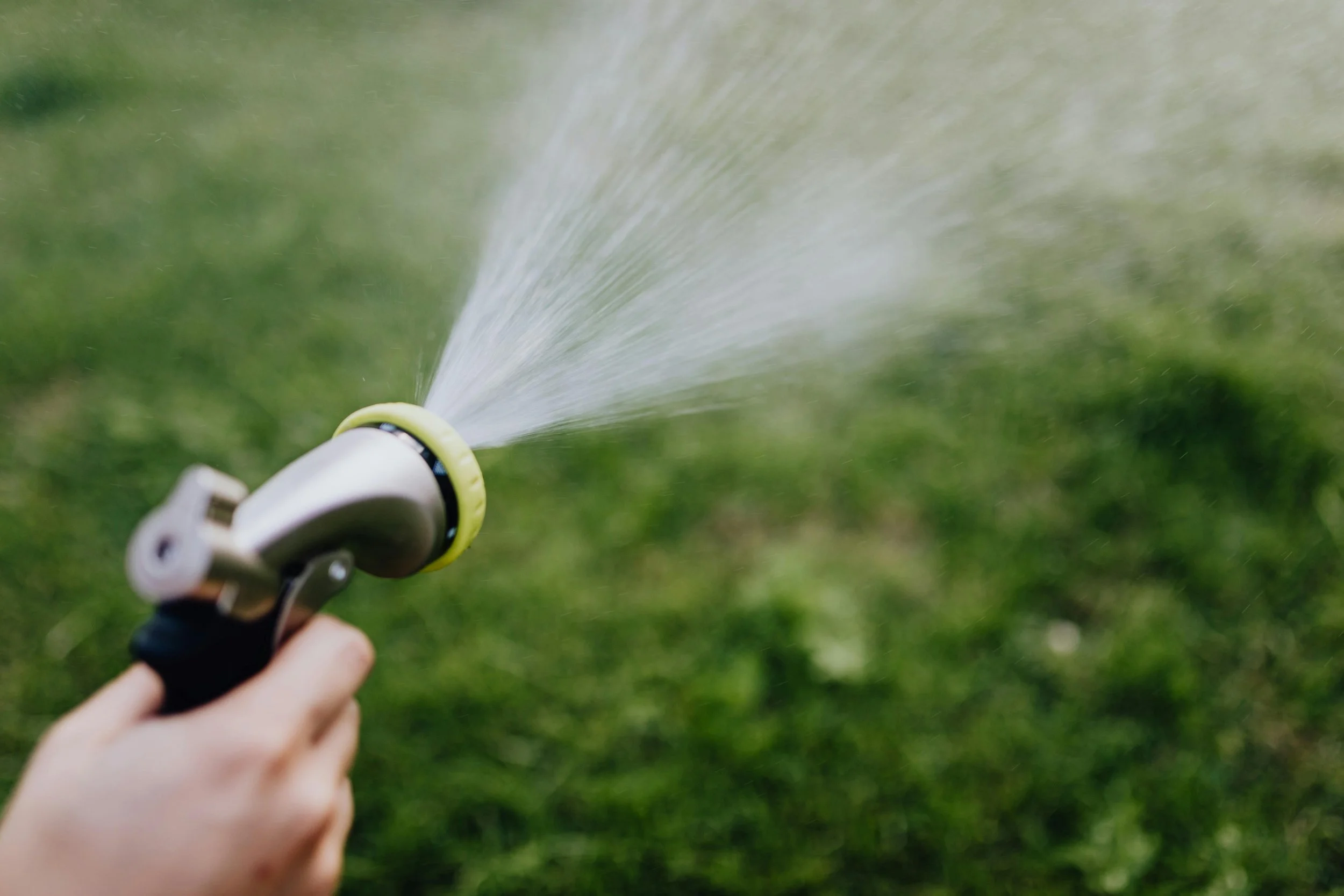
Spring is here, and so is one of the most common—and consequential—questions North Texas homeowners ask every year: How often should I be watering my lawn? The answer might surprise you.
Ask ten different neighbors in Plano, Frisco, or Richardson how often they water in spring, and you'll get ten different answers. Some swear by daily watering. Others run their sprinklers every other day. A few have their systems set and forget them entirely. Most are overwatering—and without knowing it, weakening their lawn in the process.
At Golub Green, we've cared for lawns across Dallas, Richardson, Plano, Frisco, McKinney, Allen, Carrollton, Coppell, and Irving long enough to know that smart watering is one of the highest-leverage things you can do for your lawn's long-term health.
Why Spring Watering Is Different in North Texas
Spring in DFW is deceptive. Temperatures swing wildly. You might get three inches of rain one week and bone-dry conditions the next. Soil that looked moist on Monday can be cracking by Friday. And our heavy clay soil complicates everything: it holds water differently than sandy or loamy soil, often pooling on the surface before slowly absorbing moisture then drying into a hard crust if not watered again at the right time.
Spring is also when your warm-season grasses are waking up from dormancy and building the root systems they'll rely on all summer. How you water in spring directly determines how drought-resilient your lawn will be when July temperatures hit 100°F.
The Most Common DFW Watering Mistake: Too Often, Not Enough
Most homeowners water too frequently and not deeply enough. A typical scenario: sprinklers run for 10–15 minutes every day or every other day. The top inch or two of soil stays consistently moist. Grass looks okay. But underneath, roots never have a reason to grow deeper.
Then summer arrives. The shallow-rooted grass that felt perfectly fine in April can't access moisture from deeper in the soil. Watering requirements skyrocket. Stressed grass becomes vulnerable to chinch bugs, disease, and heat damage.
Frequent shallow watering also keeps the soil surface moist in a way that encourages crabgrass and other weed seeds to germinate. For more on how watering habits connect to weed pressure, see our guide on the natural crabgrass defense strategy.
The Golub Green Spring Watering Guidelines for DFW
Grass Type Matters
North Texas lawns are primarily warm-season grasses, and each has slightly different watering preferences:
St. Augustine: The most common DFW lawn grass. Prefers deep, infrequent watering. Needs 1–1.5 inches per week during active growth.
Bermuda: More drought-tolerant once established. 0.75–1 inch per week in spring is typically sufficient.
Zoysia: Falls between the two. Water 1 inch per week in spring, adjusting based on rainfall.
Frequency: 1–2 Times Per Week in Spring
For most DFW lawns in spring, watering 1 to 2 times per week is the right target. The goal is to let the top few inches of soil partially dry between waterings, which encourages roots to grow downward searching for moisture.
If you're getting meaningful rainfall (half an inch or more), skip your next scheduled watering. Your soil is doing the work. Trust it.
Duration: Water Deeply
Each watering session should apply approximately 1–1.5 inches of water. For North Texas clay soil, this means running your sprinklers long enough to allow water to penetrate 6–8 inches into the soil profile. How long that takes depends on your system, but a simple tuna-can test can calibrate it: set empty tuna cans around your zones while they run and measure how long it takes to accumulate 1 inch.
Slow, deep watering on clay soil is more effective than fast, shallow runs. Clay absorbs water slowly, and running sprinklers too fast leads to runoff rather than infiltration.
Timing: Early Morning Is Best
Water between 5 AM and 10 AM whenever possible. Here's why: morning temperatures are cooler, reducing evaporation loss. Grass blades have time to dry before evening, reducing the risk of fungal disease. And the water you apply goes further, since less is lost to evaporation.
Evening watering leaves grass wet overnight—a setup for the fungal diseases that are already common in humid North Texas springs.
Watch for Cues, Not Just the Clock
Your lawn will tell you when it needs water. Signs of mild drought stress in warm-season grasses include a slight blue-gray tint to the color, blades that fold lengthwise, and footprints that stay visible rather than rebounding quickly. When you see these signs, water within the next day.
Conversely, if you notice your soil staying soggy, pooling water, or fungal patches developing, you're likely overwatering. Dial back and allow the soil to dry before watering again.
How Soil Health Changes Everything
The best thing you can do for your lawn's water efficiency isn't adjusting your sprinkler timer—it's improving your soil. Organic-rich, biologically active soil holds water dramatically better than depleted clay. Many of our long-term clients reduce their watering frequency by 30–50% as their soil health improves over time.
We explain this in depth in our blog The Hidden Reason Your Dallas Lawn Struggles.
When you feed your soil with organic matter, improve its structure, and encourage beneficial microorganism activity, you create a sponge-like environment that captures and holds moisture at the root zone. Deep-rooted grass growing in healthy soil simply needs less watering to stay resilient.
A Quick Spring Watering Checklist for DFW Homeowners
Water 1–2 times per week (not daily)
Apply 1–1.5 inches per watering session
Water before 10 AM to minimize evaporation
Skip a session after meaningful rainfall
Monitor grass for stress cues, not just calendar schedules
Check your sprinkler zones for uniform coverage—dry spots and wet spots often cancel each other out
Work on long-term soil health to reduce overall water needs
We're Here to Help
Not sure if your lawn is getting the right amount of water this spring? Golub Green offers free consultations for homeowners across the DFW area. We'll assess your current lawn conditions, soil health, and watering setup—and give you honest, science-based recommendations.
Get a free consultation today. Schedule Your Free Consultation
Call us at (972) 656-9325 or visit golubgreen.com. Serving Dallas, Richardson, Plano, Frisco, McKinney, Allen, Carrollton, Coppell, Irving, and surrounding North Texas communities.