
Crabgrass Invasion? Here's the Natural Defense Strategy
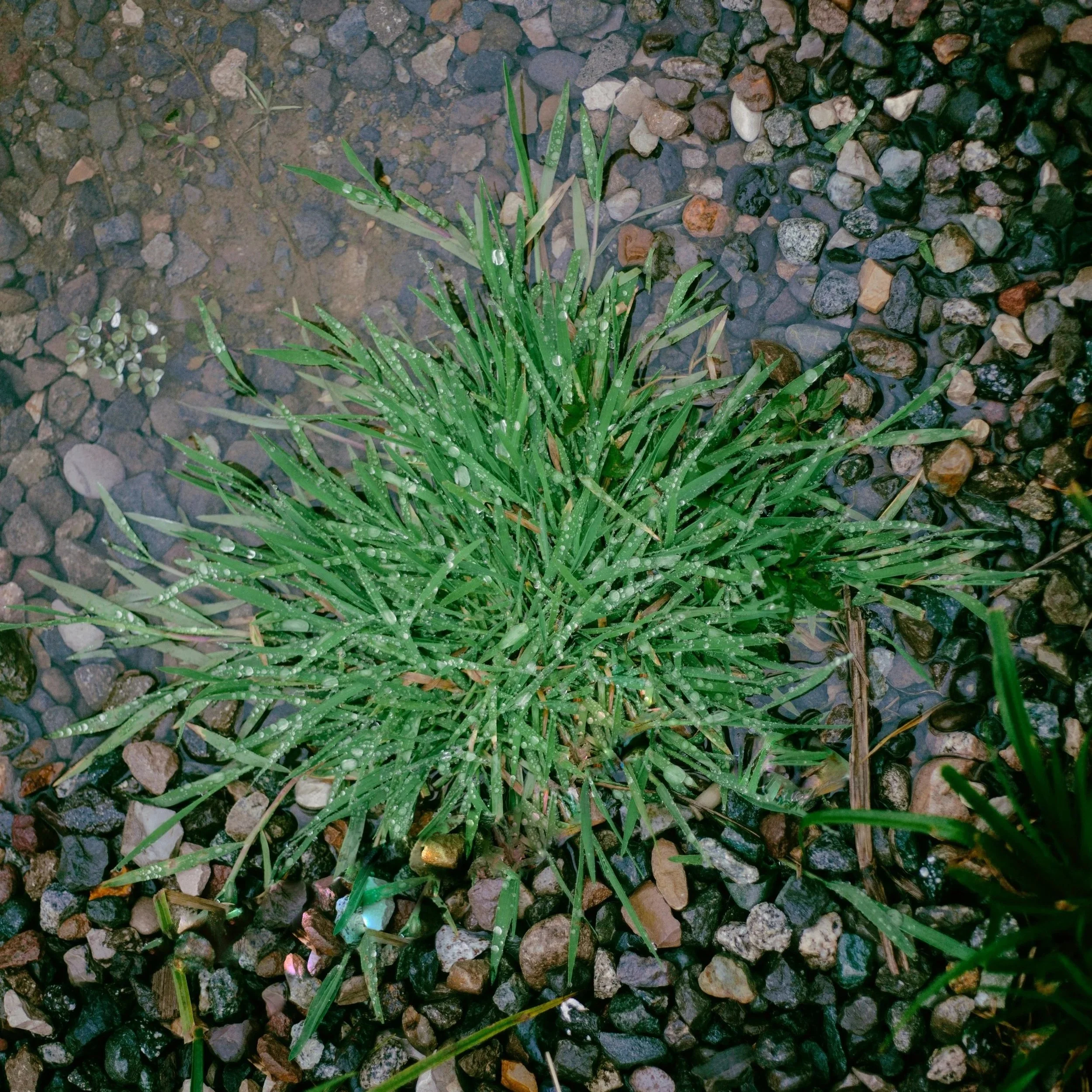
Your lawn is thriving—until it isn't. And often, the culprit is a low-growing, lime-green invader that spreads faster than you can pull it. If crabgrass has taken hold in your North Texas lawn, you're not alone. And more importantly, you don't have to reach for harsh chemicals to fight back.
Every spring and summer, homeowners across Dallas, Plano, Richardson, Frisco, McKinney, Allen, Carrollton, Coppell, and Irving watch helplessly as crabgrass creeps in and steals the show. The good news? There's a smarter, safer, and more lasting way to defend your lawn—one that works with nature, not against it.
Here's everything you need to know about crabgrass in DFW and how Golub Green's natural, soil-first approach creates lawns that are simply inhospitable to it.
What Is Crabgrass, and Why Does It Love Dallas?
Crabgrass (Digitaria sanguinalis and its cousins) is a warm-season annual weed that thrives in exactly the conditions North Texas dishes out all summer: high heat, intense sun, and soil that's hot, compacted, and dry on the surface.
Here's what makes crabgrass particularly aggressive in DFW lawns:
It germinates when soil temperatures reach 55–60°F. Which happens reliably every spring in North Texas, typically around late February to March.
It loves bare and thin spots. Any gap in your turf canopy is an open invitation.
It's a prolific seeder. A single mature crabgrass plant can drop 75,000 or more seeds before the first frost kills it—seeds that overwinter in your soil and start the cycle all over again.
It thrives in compacted, nutrient-poor clay soil. Sound familiar? North Texas clay is practically a welcome mat for crabgrass.
The conventional response is to apply a synthetic pre-emergent herbicide in early spring to block germination. And while that can work short-term, it doesn't address why crabgrass keeps coming back or the soil conditions that invite it in the first place.
The Natural Defense: Why Healthy Soil Is Your Best Weapon
At Golub Green, we take a fundamentally different approach to crabgrass control. Instead of waging chemical warfare year after year, we focus on building the thick, healthy turf that gives crabgrass nowhere to grow.
Think of it this way: crabgrass needs light to germinate. A dense, lush lawn canopy shades the soil surface and blocks that light. When your grass is thriving at the right height with deep roots and biologically active soil underneath, crabgrass seeds in your lawn simply can't get established.
The Golub Green Natural Crabgrass Defense Strategy
1. Build Soil Health First
Our entire program starts with soil, not spray. We begin every client relationship with a comprehensive soil analysis, because understanding what's happening underground is what allows us to make real, lasting improvements. You can read more about how soil health drives lawn success in our blog, The Hidden Reason Your Dallas Lawn Struggles.
North Texas clay soil is dense, compacted, and often biologically depleted after years of synthetic treatments. Our organic fertilization program introduces slow-release nutrients and feeds the beneficial microorganisms that naturally break up clay, improve drainage, and create the rich soil structure that grass loves and crabgrass doesn't.
2. Mow at the Right Height—Every Time
One of the simplest and most overlooked natural defenses against crabgrass is mowing height. We recommend keeping St. Augustine grass at 3–4 inches, Bermuda at 1.5–2 inches, and Zoysia at 2–2.5 inches throughout the growing season.
Mowing too short is one of the top ways DFW homeowners unknowingly invite crabgrass in. Short grass exposes the soil surface to sunlight, raising soil temperatures and creating the warm, bright conditions crabgrass seeds need to germinate. Taller grass provides shade, cooler soil, and less hospitable germination conditions.
3. Water Deeply and Infrequently
Shallow, frequent watering is another common crabgrass accelerant. It keeps the soil surface consistently moist and trains grass roots to stay shallow, weakening the turf over time.
Our recommended approach: water deeply 1–2 times per week, applying about 1–1.5 inches per session. This encourages grass roots to grow downward, builds drought resistance, and lets the soil surface dry between waterings—making it less friendly to weed germination.
4. Address Bare Spots Promptly
Bare spots are open doors for crabgrass. Every thin or barren patch in your lawn is a germination site waiting to be claimed. If you're dealing with bare areas in your yard, check out our blog Why Your Lawn Has Bare Spots (And How to Fix Them Naturally) for our full natural approach to turf recovery.
At Golub Green, we address bare spots as part of your overall soil health program, not just by reseeding, but by correcting the underlying soil conditions that caused those patches in the first place.
5. Targeted Organic Weed Control When Needed
We won't pretend organic methods work overnight if you're starting from a heavily invaded lawn. When crabgrass pressure is high, we do use targeted treatments—but we minimize any chemical use, focusing instead on the least invasive option that gets the job done. Any weed control we apply is chosen with your family's safety and your soil biology in mind.
The critical difference: we never stop building soil health while managing weeds. We're not just suppressing crabgrass this season, we're making your lawn more resistant year after year.
What You Can Expect Over Time
One of the most rewarding things we hear from long-term Golub Green clients is that crabgrass pressure steadily decreases, year after year. That's because we're changing the conditions that allow it to thrive, not just masking the symptoms.
Year 1: Soil biology begins improving; turf density starts increasing; weed pressure may still be present but decreases
Year 2: Denser turf canopy shades soil more effectively; crabgrass germination drops noticeably
Year 3 and beyond: A self-sustaining, biologically rich lawn that naturally outcompetes weeds—including crabgrass
Ready to Take Back Your Lawn Naturally?
Contact us today to schedule your free consultation. Schedule Your Free Consultation
Call us at (972) 656-9325 or visit golubgreen.com to learn more about our eco-friendly lawn care programs serving Dallas, Richardson, Plano, Frisco, McKinney, Allen, Carrollton, Coppell, and Irving.